
Welcome to 603 Auto Salvage, We Sell Quality Used Auto Parts at Affordable prices.
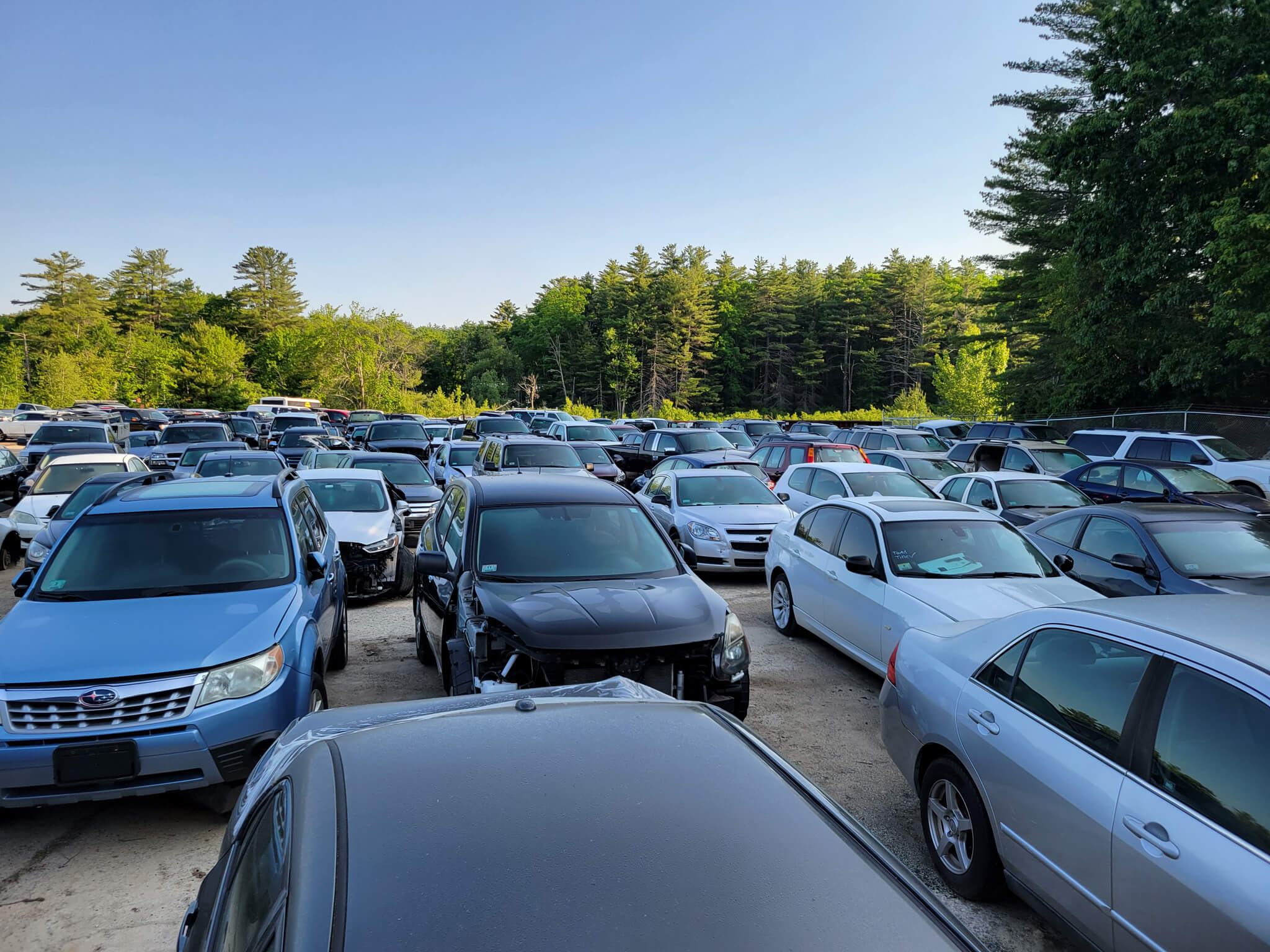
The legendary Volkswagen 1600cc air-cooled engine represents one of automotive history’s most enduring and beloved powerplants. At 603 Auto Salvage in New Hampshire, we specialize in quality used 1600cc VW engines that bring classic Beetle and Bus projects back to life while maintaining the authentic character that makes these vehicles so special. Whether you’re restoring a vintage Bug, building a custom dune buggy, or keeping a classic Bus on the road, our carefully selected air-cooled VW motors offer proven reliability and timeless appeal.
Finding a quality used 1600cc VW engine requires more than just locating any air-cooled motor – it demands understanding the subtle differences between dual-port and single-port designs, recognizing the signs of proper maintenance, and knowing which variants offer the best combination of performance and reliability for your specific application. Our decades of experience with classic Volkswagen engines allows us to source only the finest examples while providing the technical expertise you need for a successful installation.
Every 1600cc VW engine in our inventory undergoes thorough inspection including compression testing, cooling tin evaluation, and assessment of critical wear items like cylinder heads, pistons, and crankcase integrity. We understand that air-cooled VW engines require specialized knowledge and careful evaluation, so we provide detailed condition reports that eliminate guesswork and ensure you receive exactly what you expect.
The Volkswagen 1600cc engine evolved significantly throughout its production run, with each iteration offering distinct characteristics that affect performance, reliability, and restoration authenticity. Understanding these differences helps you choose the right engine for your project while avoiding compatibility issues that can complicate installation.
Early 1600 engines introduced in 1966 featured single-port cylinder heads with smaller intake ports that prioritized torque production and fuel economy over peak horsepower. These engines produced approximately 50 horsepower while delivering excellent low-end torque characteristics that made them ideal for heavy Bus applications and everyday driving. Single-port engines used simpler cooling tin arrangements and intake systems that simplified maintenance while providing reliable operation.
The transition to dual-port cylinder heads in 1971 marked a significant evolution in 1600cc technology. Dual-port heads featured larger, more efficient intake ports that improved breathing and increased power output to approximately 60 horsepower. These engines also incorporated improved cooling tin designs and more sophisticated intake manifold systems that enhanced performance across the entire rpm range.
Type 1 (Beetle) and Type 2 (Bus) applications used different configurations of the basic 1600cc design. Beetle engines typically featured upright cooling arrangements optimized for rear-engine installations, while Bus engines used different cooling tin and intake systems adapted for the bus’s unique engine compartment layout. These differences affect parts interchange and installation requirements.
The fuel injection system introduced on some 1975-1976 models represented the final evolution of the air-cooled 1600cc engine. These engines used Bosch L-Jetronic fuel injection systems that improved fuel economy and emissions compliance while maintaining the classic air-cooled character. However, fuel injection engines are less common and require specialized knowledge for proper maintenance and repair.
Mexican-production VW engines continued the air-cooled 1600cc design through the 1990s and beyond, offering newer alternatives to vintage engines. These later engines incorporated improvements learned from decades of production while maintaining compatibility with classic applications. Mexican engines often provide excellent value for restoration projects that prioritize reliability over absolute authenticity.
The choice between single-port and dual-port 1600cc engines significantly affects your project’s performance characteristics, authenticity, and maintenance requirements. Each design offers distinct advantages that make them suitable for different applications and restoration goals.
Single-port engines excel in applications where torque production and fuel economy take priority over peak horsepower. The smaller, more restrictive intake ports create higher air velocity that improves fuel mixing and combustion efficiency at lower engine speeds. This characteristic makes single-port engines ideal for heavy Bus applications, daily driving, and situations where maximum fuel economy is desired.
The simpler design of single-port systems offers maintenance advantages that appeal to many enthusiasts. The single-barrel carburetor system is easier to tune and maintain than dual-carburetor setups, while the simpler cooling tin arrangement reduces the complexity of engine service. These characteristics make single-port engines excellent choices for beginning VW enthusiasts or those who prioritize simplicity over maximum performance.
Dual-port engines provide superior breathing capability that translates to improved performance throughout the rpm range. The larger intake ports and dual-carburetor system allow more air and fuel into the engine, increasing power output while maintaining excellent reliability. This makes dual-port engines preferred for performance applications, dune buggies, and situations where maximum power output is desired.
However, dual-port systems require more sophisticated tuning and maintenance procedures. The dual-carburetor setup demands careful synchronization and balance to achieve optimal performance, while the more complex cooling tin arrangement increases service complexity. These factors make dual-port engines more suitable for experienced enthusiasts or those willing to invest in proper maintenance.
| Engine Type | Horsepower | Torque Character | Best Applications |
|---|---|---|---|
| Single-Port 1600 | ~50 HP | Strong low-end torque | Bus, daily driving, fuel economy |
| Dual-Port 1600 | ~60 HP | Broader powerband | Performance, dune buggies, Beetle |
Authenticity considerations also influence engine selection for restoration projects. Period-correct engines enhance the historical accuracy of restoration projects while potentially affecting resale values. Research your vehicle’s original engine specification to determine the appropriate choice for authentic restoration.
The market for used 1600cc VW engines reflects the enduring popularity of classic Volkswagen vehicles and the increasing scarcity of quality air-cooled motors. Understanding current pricing trends helps you budget accurately while recognizing good value when you find it.
| Engine Condition | Type | Included Components | Price Range |
|---|---|---|---|
| Excellent | Dual-port complete | Engine, tin, carburetors, accessories | $2,400 – $2,800 |
| Good | Single-port complete | Engine, basic tin, carburetor | $1,800 – $2,400 |
| Fair | Long block | Engine block, heads, basic components | $1,200 – $1,800 |
| Rebuild candidate | Core engine | Rebuildable block and heads | $800 – $1,200 |
These prices reflect significant value compared to professionally rebuilt alternatives, which typically cost $4,000-6,000 for complete engines with warranties. Even factoring in potential maintenance and refresh costs, quality used engines offer substantial savings for budget-conscious enthusiasts.
Completeness significantly affects engine value and your total project cost. Engines that include complete cooling tin, intake systems, and accessories save substantial money compared to assembling these components separately. Original VW tin and accessories command premium prices due to reproduction quality variations and availability issues.
Regional variations affect pricing, with engines in classic car hot spots typically commanding higher prices than those in rural areas. However, shipping costs and logistics often offset geographical price advantages, making local sources preferred when quality examples are available.
Market trends show steady appreciation for quality air-cooled VW engines as classic vehicles continue gaining popularity among younger enthusiasts. This appreciation makes quality engines good investments that often retain or increase their value over time, especially when properly maintained and preserved.
Understanding the total cost of ownership for different engine options helps you make informed decisions based on your budget, timeline, and performance requirements.
Used engines offer the lowest initial investment but may require additional maintenance or refresh work to achieve optimal reliability. Budget an additional $500-1,000 for potential maintenance items like valve adjustments, carburetor rebuilds, and cooling system service when purchasing used engines.
Professionally rebuilt engines eliminate most uncertainties through complete disassembly and restoration to like-new condition. While costing significantly more upfront, rebuilds often provide the best long-term value for daily drivers and high-use applications.
New reproduction engines from companies like CB Performance offer modern metallurgy and updated designs that address known weaknesses in original VW engines. However, these engines cost $8,000-12,000 and may not be appropriate for authentic restoration projects.
Evaluating used 1600cc VW engines requires understanding the unique characteristics and potential problems associated with air-cooled designs. Proper inspection techniques help you identify quality engines while avoiding expensive mistakes.
Start your inspection with the crankcase, which forms the foundation of any VW engine. Look for obvious cracks around the cylinder base studs, case bolting surfaces, and oil gallery areas. Minor hairline cracks may be repairable, but significant damage often makes the engine unsuitable for rebuilding. Pay special attention to the areas around the main bearing saddles and cam bearing surfaces.
Cylinder condition provides critical information about engine wear and maintenance history. Remove the cylinders if possible to inspect bore condition, piston wear, and ring condition. Look for scoring, excessive wear patterns, or signs of overheating that indicate potential problems. Quality cylinders should show minimal wear and retain good compression characteristics.
Cylinder heads deserve careful evaluation due to their critical role in engine performance and their significant replacement cost. Check for cracks around valve seats, spark plug holes, and combustion chambers. Valve condition and seat wear provide insights into maintenance history and potential rebuild requirements. Warped heads often indicate overheating problems that may affect other engine components.
The cooling tin system plays a crucial role in air-cooled engine reliability and represents a significant cost if replacement is necessary. Inspect all tin pieces for rust, damage, and proper fit. Missing or damaged cooling tin can cause overheating problems that lead to expensive engine damage. Original tin often fits better than reproduction pieces and should be preserved whenever possible.
Carburetor condition affects both performance and restoration costs. Original carburetors are increasingly valuable and expensive to rebuild, making their condition an important factor in overall engine value. Check for complete accelerator pump systems, proper float operation, and absence of significant corrosion or damage.
Documentation and maintenance history provide valuable insights into engine condition and reliability. Engines with service records, especially those showing regular maintenance and proper care, often represent better investments than engines with unknown histories. Ask specifically about oil change intervals, valve adjustments, and any major repairs.
Compression testing provides objective data about engine condition that helps you evaluate potential purchases and identify necessary repairs. Proper testing procedures ensure accurate results that guide your purchasing decisions.
Perform compression tests with the engine warm if possible, as this provides more accurate results than cold tests. All cylinders should show similar readings within 10% of each other, with healthy engines typically producing 120-140 psi per cylinder. Lower readings may indicate valve problems, worn rings, or cylinder damage that affects performance and reliability.
Leak-down testing provides additional information about engine condition by identifying where compression losses occur. This test helps distinguish between valve problems, ring wear, and head gasket issues, allowing more accurate assessment of repair requirements and costs.
The basic 1600cc engine served both Beetle and Bus applications, but each platform required specific adaptations that affect parts interchange and installation requirements. Understanding these differences helps you choose appropriate engines and avoid compatibility problems.
Beetle engines typically used upright cooling arrangements with doghouse cooling shrouds that directed air efficiently across the cylinder heads. This configuration worked well in the Beetle’s rear engine compartment where space allowed proper airflow patterns. Beetle engines also used different intake manifolds and heat exchanger systems optimized for passenger car applications.
Bus engines required modified cooling systems to work effectively in the bus’s more restrictive engine compartment. The horizontal cooling arrangement used different shrouding and ducting systems that managed airflow in the limited space available. Bus engines also incorporated different intake systems and heat exchangers sized for the larger vehicle’s heating requirements.
Power output differences between Beetle and Bus engines were typically minor, with variations mainly affecting torque curves and rpm characteristics. Bus engines were often tuned for maximum torque production to handle the vehicle’s weight and loading requirements, while Beetle engines emphasized overall drivability and fuel economy.
The generator vs. alternator distinction affects many 1600cc engines and influences both charging system performance and parts availability. Earlier engines used 6-volt generator systems that provided adequate charging for period electrical loads, while later engines incorporated 12-volt alternator systems that better support modern accessories and lighting.
Transmission compatibility varies between Type 1 and Type 2 applications, with different bellhousing patterns and starter arrangements. Ensure your replacement engine matches your transmission configuration, or plan for the necessary adapters and modifications during installation.
Mexican-production VW engines offer alternative sources for 1600cc motors, but they incorporate differences that affect authenticity and parts interchange. Understanding these variations helps you make informed decisions about engine selection.
Mexican engines typically feature updated designs that address known weaknesses in earlier German engines. These improvements often include better metallurgy, revised cooling designs, and updated bearing systems that enhance reliability and longevity. However, these improvements may compromise historical authenticity for concours restorations.
Parts availability often favors Mexican engines due to their extended production run and simplified parts sourcing. Many common wear items remain available through normal VW channels, while German engine parts may require specialty suppliers and higher costs.
Quality can vary significantly among Mexican engines depending on production date and maintenance history. Later engines typically incorporate more improvements and better quality control, while earlier Mexican engines may suffer from inconsistent manufacturing standards.
Installing a used 1600cc VW engine requires attention to numerous details that affect reliability, performance, and authenticity. Understanding these requirements helps you plan your installation and avoid common problems that can lead to expensive repairs.
Engine mounts and hardware often require attention during installation, as worn or damaged mounts can cause vibration, noise, and alignment problems. VW engine mounts use unique designs that differ from conventional automotive practices, making proper installation critical for acceptable NVH characteristics.
The cooling system deserves special attention due to its critical role in air-cooled engine reliability. Ensure all cooling tin is properly installed and sealed, with particular attention to the areas around cylinder heads and oil cooler. Missing or improperly installed cooling components can cause overheating that leads to expensive engine damage.
Fuel system compatibility affects carburetor selection and installation requirements. Different carburetor types require specific fuel pressure ranges and filtration systems that must match your engine configuration. Verify fuel pump output and pressure regulation to ensure proper carburetor operation and prevent flooding or lean running conditions.
Ignition system setup influences both performance and reliability, with different engines requiring specific advance curves and component specifications. Points-based systems require periodic maintenance and adjustment, while electronic ignition conversions offer improved reliability and reduced maintenance requirements.
Exhaust system installation affects both performance and legal compliance, particularly in emissions-controlled areas. Ensure your exhaust system provides adequate flow while meeting any applicable emissions requirements for your vehicle and location.
VW engine installation requires some specialized tools and equipment that differ from conventional automotive applications. Having the proper tools ensures efficient installation while preventing damage to components.
Basic hand tools handle most installation procedures, but VW-specific items like cylinder torque wrenches, valve adjustment tools, and carburetor synchronization equipment may be necessary for complete installation and setup. Many of these tools can be borrowed or rented from VW specialty shops.
Torque specifications for VW engines differ from conventional automotive practice, making a quality torque wrench essential for proper assembly. Follow VW factory specifications rather than generic torque values to ensure proper clamping forces and prevent damage to aluminum and magnesium components.
The 1600cc VW engine responds well to carefully chosen modifications that improve performance while maintaining the classic character that makes these engines special. Understanding available options helps you plan upgrades that complement your vehicle’s intended use.
Cylinder and piston upgrades represent the most common performance modification for 1600cc engines. Increasing displacement to 1776cc or 1915cc through larger cylinders and pistons provides significant power increases while maintaining excellent reliability. These modifications typically require minimal changes to supporting systems while delivering 20-40% power increases.
Cylinder head modifications offer substantial performance gains through improved airflow and combustion efficiency. Professional porting and polishing can increase power output significantly, while larger valves and performance camshafts provide additional gains for dedicated performance applications. However, these modifications should be carefully matched to avoid reducing low-end torque for daily driving applications.
Carburetor upgrades can improve both performance and drivability depending on application requirements. Weber carburetors offer improved tuning flexibility and performance compared to stock VW units, while maintaining relatively simple installation and maintenance procedures. Progressive Weber carburetors provide excellent street performance, while race-oriented setups maximize power output for competition use.
Exhaust system improvements provide modest power gains while significantly improving engine sound. Performance exhaust systems reduce backpressure and improve scavenging effects that can increase power output by 5-10 horsepower. However, exhaust modifications may affect emissions compliance and noise levels that could impact daily drivability.
Ignition system upgrades offer improved reliability and performance through more consistent spark timing and reduced maintenance requirements. Electronic ignition systems eliminate points-based maintenance while providing more accurate timing control throughout the rpm range. These modifications are particularly beneficial for modified engines operating at higher rpm levels.
Turbocharging and supercharging offer dramatic power increases for 1600cc VW engines, but these modifications require extensive supporting changes to maintain reliability. Understanding the requirements and limitations helps you evaluate whether forced induction suits your project goals.
Turbocharger systems can double or triple power output from 1600cc engines while maintaining reasonable fuel economy during light load operation. However, turbo installations require significant modifications including fuel system upgrades, engine management changes, and internal engine strengthening to handle increased cylinder pressures.
Supercharger systems provide immediate throttle response and linear power delivery that many enthusiasts prefer over turbocharger characteristics. However, superchargers typically consume more power to operate and may provide less efficient power gains than well-designed turbo systems.
Both forced induction approaches require careful engine preparation including forged pistons, strengthened connecting rods, and revised cooling systems to handle increased heat loads. Professional installation and tuning are essential for reliable operation and acceptable longevity.
Air-cooled VW engines have specific maintenance requirements and common failure points that affect long-term reliability and operating costs. Understanding these issues helps you maintain your engine properly and address problems before they become expensive repairs.
Valve adjustment represents the most critical maintenance procedure for air-cooled VW engines. The solid lifter valvetrain requires periodic adjustment to maintain proper clearances and prevent valve damage. Perform valve adjustments every 3,000 miles or when valve noise becomes apparent. Proper adjustment procedures and specifications are critical for preventing valve and seat damage.
Cooling system maintenance takes on special importance with air-cooled engines that depend entirely on airflow for temperature control. Keep cooling tin clean and properly sealed, with particular attention to areas around cylinder heads and oil coolers. Blocked or restricted cooling passages can cause localized overheating that leads to expensive cylinder and head damage.
Oil changes require more frequent intervals than water-cooled engines due to the oil’s role in both lubrication and cooling. Use high-quality conventional or synthetic oil appropriate for air-cooled applications and change every 2,000-3,000 miles under normal conditions. More frequent changes may be necessary for severe service applications like highway driving or hot climate operation.
Carburetor maintenance affects both performance and reliability, with particular attention required for accelerator pump systems and float adjustments. Clean carburetor jets and passages regularly, and rebuild carburetors every 2-3 years or when performance problems develop. Proper carburetor adjustment is critical for preventing lean running conditions that can cause overheating and engine damage.
Ignition system maintenance includes periodic points replacement and timing adjustment for points-based systems. Electronic ignition conversions reduce maintenance requirements while improving reliability and performance. Regardless of system type, maintain proper timing specifications and ensure adequate spark plug gap and heat range selection.
Fuel system contamination can cause significant problems with VW carburetors, making fuel filtration and quality particularly important. Use quality fuel filters and replace them regularly to prevent contamination from reaching carburetor jets and passages. Consider fuel stabilizers for seasonal storage to prevent varnish formation and carburetor clogging.
Understanding common VW engine problems and their symptoms helps you diagnose issues quickly and prevent minor problems from becoming expensive repairs.
Overheating typically manifests as loss of power, rough running, or visible distress from engine components. Check cooling tin installation and cleanliness first, followed by oil level and quality. Verify proper fuel mixture and ignition timing, as lean running conditions or incorrect timing can cause overheating even with adequate cooling.
Poor idle quality often indicates carburetor problems, vacuum leaks, or ignition timing issues. Check carburetor idle adjustment and accelerator pump operation first, followed by vacuum hose inspection and timing verification. Valve adjustment problems can also cause idle quality issues that may be misdiagnosed as fuel system problems.
Starting difficulties can result from various causes including fuel delivery problems, ignition system issues, or compression problems. Verify fuel pump operation and carburetor float bowl fuel level first, followed by ignition system inspection. Compression testing may be necessary for engines with suspected internal problems.
The decision between authentic restoration and performance modification significantly affects engine selection, parts sourcing, and final results. Understanding these approaches helps you choose the path that best matches your goals and expectations.
Authentic restoration prioritizes historical accuracy and period-correct components that maintain the vehicle’s original character and specifications. This approach often requires sourcing original components and avoiding modifications that compromise authenticity. Restoration builds typically emphasize reliability and originality over maximum performance.
Performance modifications focus on improved power output and driving characteristics while potentially compromising historical authenticity. Performance builds allow modern components and improvements that enhance reliability and performance beyond original specifications. This approach suits enthusiasts who prioritize driving enjoyment over concours correctness.
Many builders choose middle-ground approaches that incorporate subtle improvements while maintaining overall authenticity. Examples include electronic ignition conversions, improved oil filtration systems, and minor carburetor modifications that improve reliability without obviously compromising originality.
The intended use for your vehicle should guide your approach selection. Daily drivers benefit from reliability and performance modifications, while show vehicles often require authentic restoration approaches. Weekend pleasure vehicles can accommodate either approach depending on owner preferences.
Budget considerations also influence approach selection, as authentic restoration often requires expensive original components while performance modifications may allow more cost-effective alternatives. However, some performance modifications can be quite expensive, particularly when professional installation and tuning are required.
Q: How long will a used 1600cc VW engine last?
A: With proper maintenance, a quality used 1600cc VW engine can easily provide 50,000-100,000 additional miles of service. Many examples continue running well past 200,000 total miles when properly maintained and not abused.
Q: Can I use a Bus engine in a Beetle application?
A: Generally yes, but you may need to swap cooling tin and intake components to match your application. The basic engine block and internals are typically identical, but external accessories and cooling systems may require modification.
Q: What’s the difference between single-port and dual-port engines?
A: Single-port engines have smaller intake ports and single-barrel carburetors, emphasizing torque and simplicity. Dual-port engines have larger ports and dual carburetors, providing more power but requiring more complex maintenance.
Q: Are Mexican VW engines as good as German engines?
A: Mexican engines often incorporate improvements over early German designs and can be excellent alternatives. Quality varies by production date and maintenance history, but later Mexican engines are generally very reliable.
Q: How much does it cost to rebuild a 1600cc VW engine?
A: Professional rebuilds typically cost $3,000-5,000 depending on the level of work required and parts quality selected. DIY rebuilds can cost $1,500-2,500 in parts, but require significant expertise and specialized tools.
Q: Can I install a 1600cc engine myself?
A: Yes, VW engines are relatively simple to install with basic hand tools. However, proper setup requires attention to valve adjustment, carburetor tuning, and ignition timing that may require experienced assistance.
Planning your VW engine purchase begins with clearly defining your project goals, authenticity requirements, and performance expectations. Consider whether you’re building for daily driving, weekend pleasure, or show competition, as this affects engine selection and modification possibilities.
Research your specific vehicle’s original engine configuration to understand authenticity requirements and parts interchange possibilities. This information helps you evaluate potential engines and identify any necessary modifications or adaptations.
Budget realistically for the complete project including installation, necessary refreshing, and any modifications or improvements you plan to implement. VW engines often reveal additional needs during installation that should be factored into total project costs.
Consider timing your purchase with your project schedule, as VW engines can deteriorate during storage if not properly prepared and protected. Plan your purchase timing to minimize storage duration while allowing adequate time for any necessary preparation work.
Verify parts availability for your chosen engine configuration, particularly if you’re considering modifications or performance upgrades. Some VW engine variants have better parts support than others, which can affect long-term maintenance costs and modification possibilities.
At 603 Auto Salvage, we understand that VW air-cooled engines represent more than just mechanical components – they’re the heart of beloved classic vehicles that deserve expert care and attention. Our commitment to quality evaluation, honest descriptions, and technical expertise ensures you receive exactly what you expect from your vintage VW engine purchase.
Every 1600cc VW engine undergoes comprehensive inspection including compression testing, cooling system evaluation, and assessment of critical components like cylinder heads, cooling tin, and carburetor systems. We provide detailed condition reports that eliminate surprises and help you make informed purchasing decisions.
Our technical expertise extends beyond basic inspection to include restoration guidance, modification advice, and installation support. Our staff understands the unique requirements of air-cooled VW engines and can provide valuable insights for your specific project needs.
Competitive pricing reflects our commitment to providing exceptional value in the classic car market. We understand that VW enthusiasts often work with limited budgets while demanding high quality, so we strive to offer the best possible engines at fair prices that reflect their true condition and value.
Location in New Hampshire provides convenient access for customers throughout New England while offering same-day pickup for local customers. We also provide professional packaging and reliable shipping for customers outside our immediate area, ensuring your engine arrives safely and ready for installation.
Post-purchase support continues throughout your project with technical assistance, parts sourcing guidance, and connections to qualified VW specialists throughout our service area. We maintain relationships with experienced VW mechanics and restoration shops for customers requiring professional installation or technical assistance.
Contact 603 Auto Salvage today at (603) 392-7313 to discuss your used 1600cc VW engine needs. Our knowledgeable staff will help you find the perfect engine for your restoration, modification, or repair project. Whether you’re bringing a classic Beetle back to life or building the ultimate dune buggy, we have the quality air-cooled VW engine that will serve you faithfully for years to come.
Pull Your Own Parts | DIY Auto Salvage Guide for Maximum Savings in New Hampshire Pull your own parts salvage yards revolutionize how automotive enthusiasts and budget-conscious drivers access affordable
You Pull It Auto Salvage | Self-Service Parts & Cash for Junk Cars in New Hampshire When you need quality used auto parts at affordable prices, you pull it auto