

Porsche 924 Red | Parts Vehicle Record

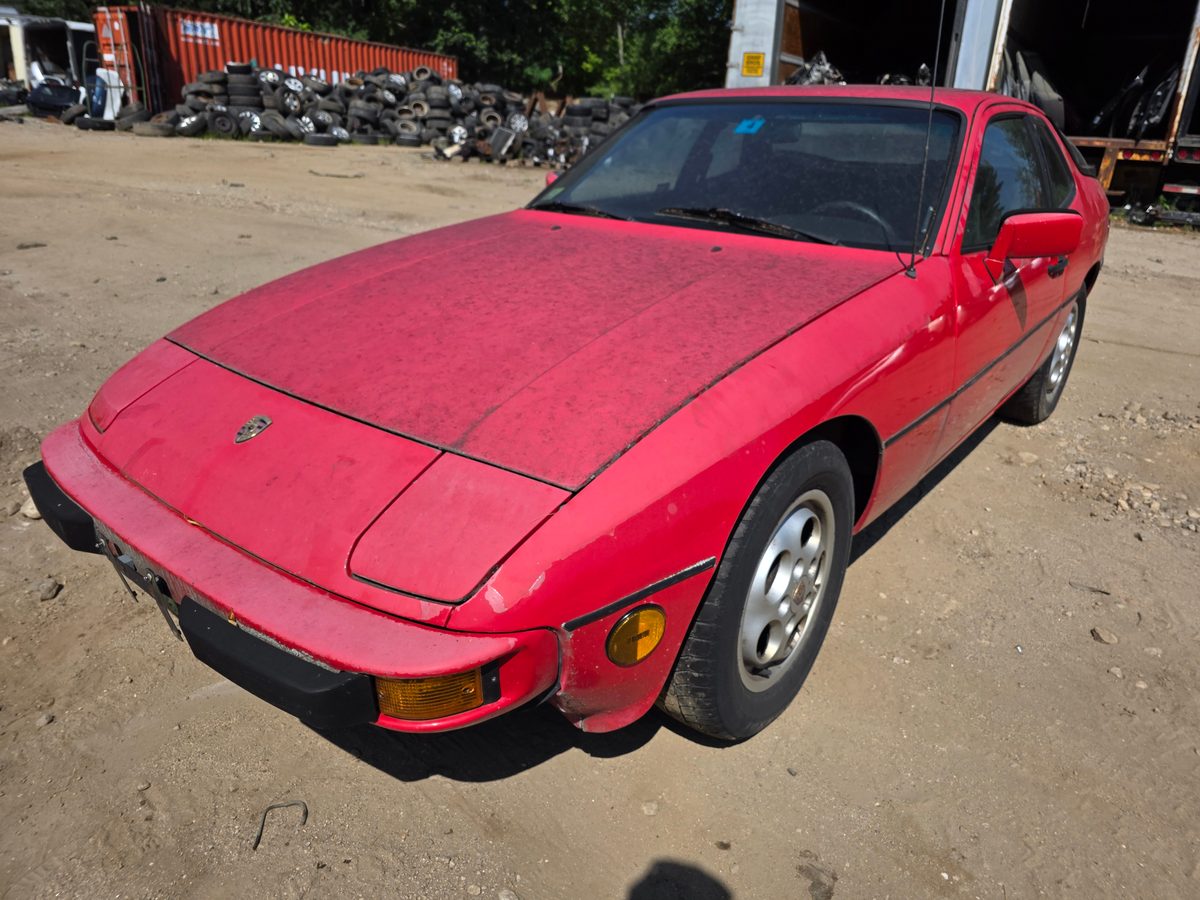
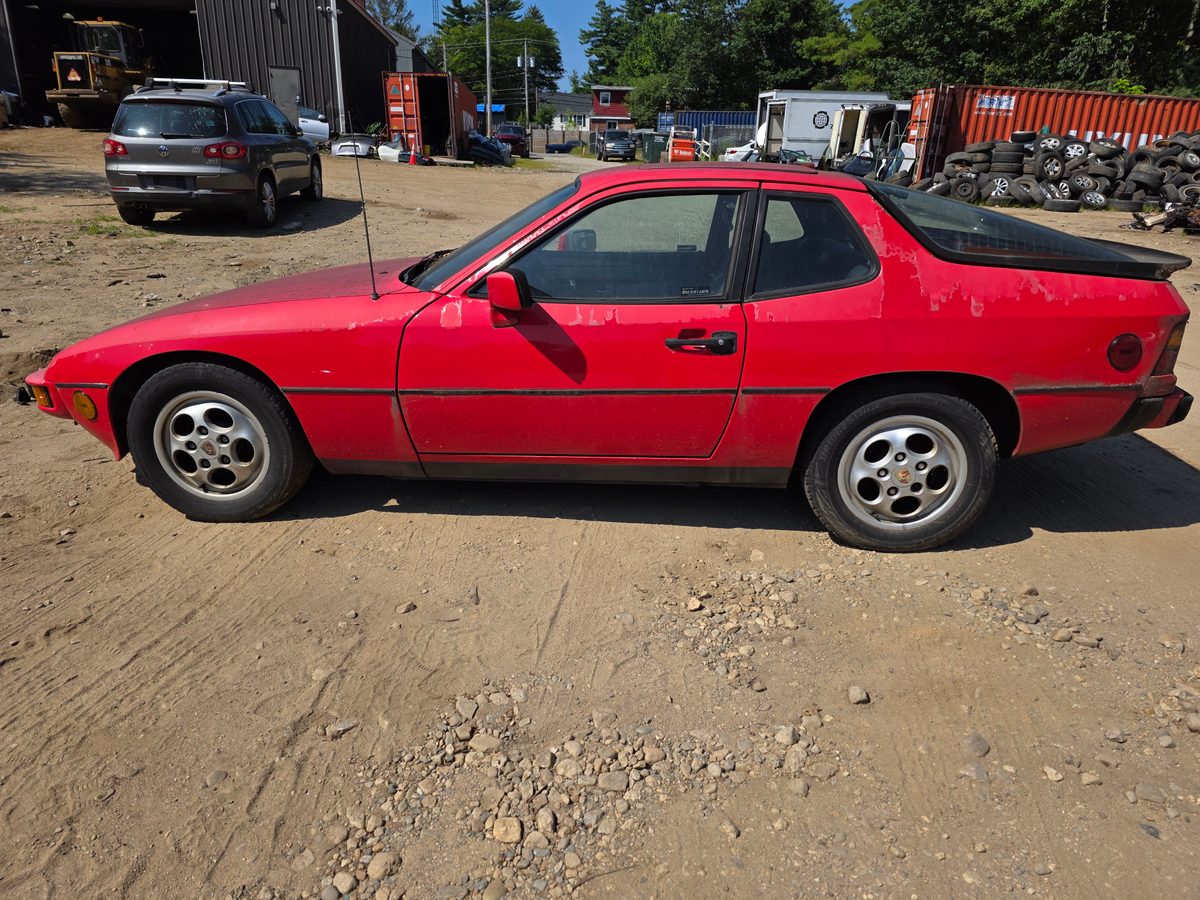
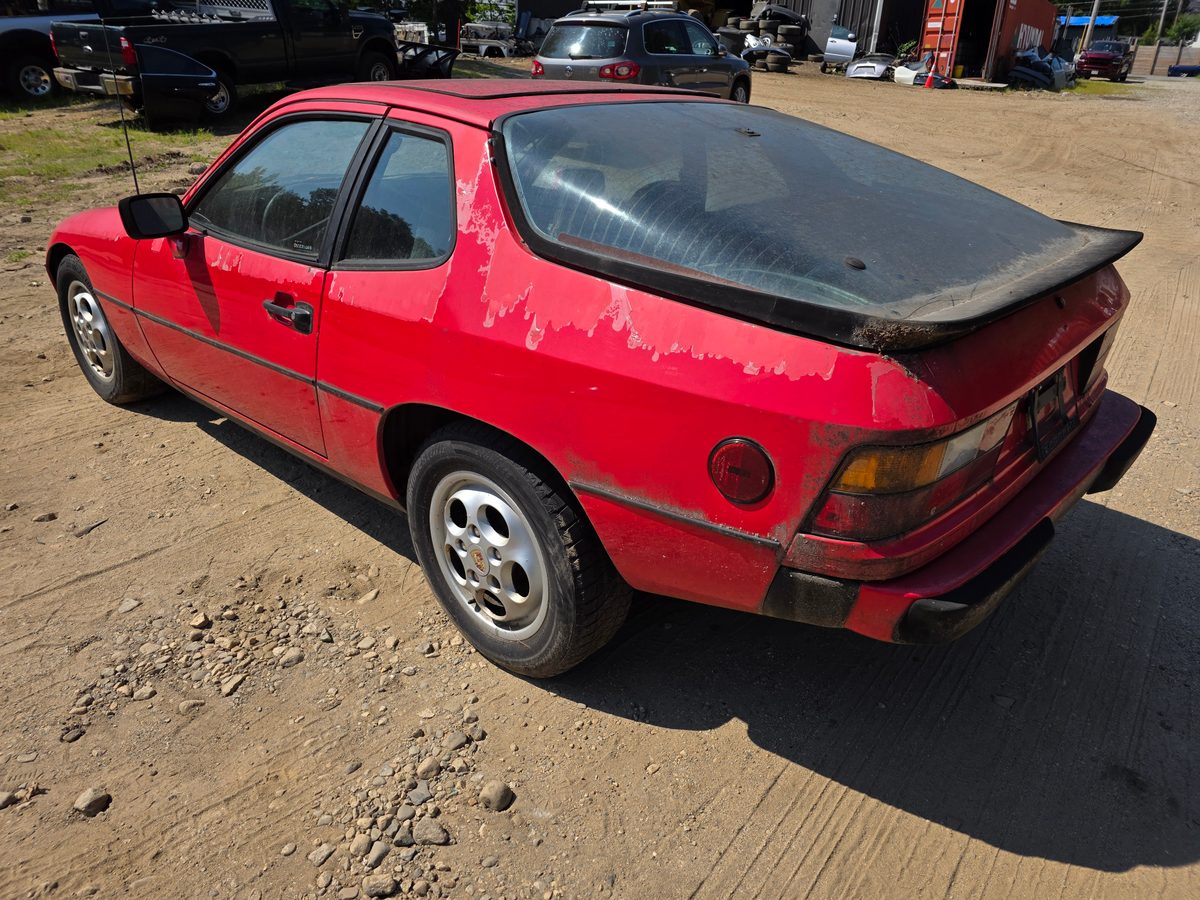
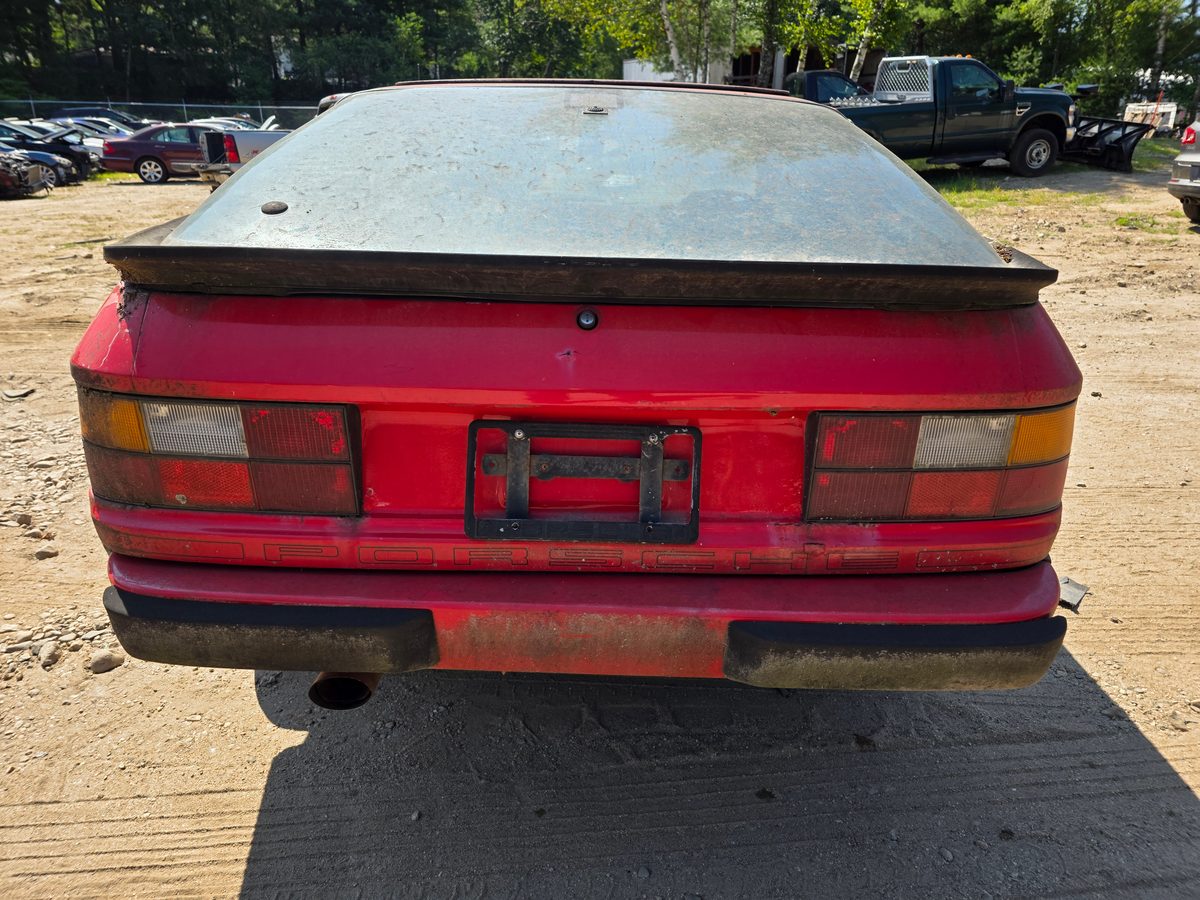
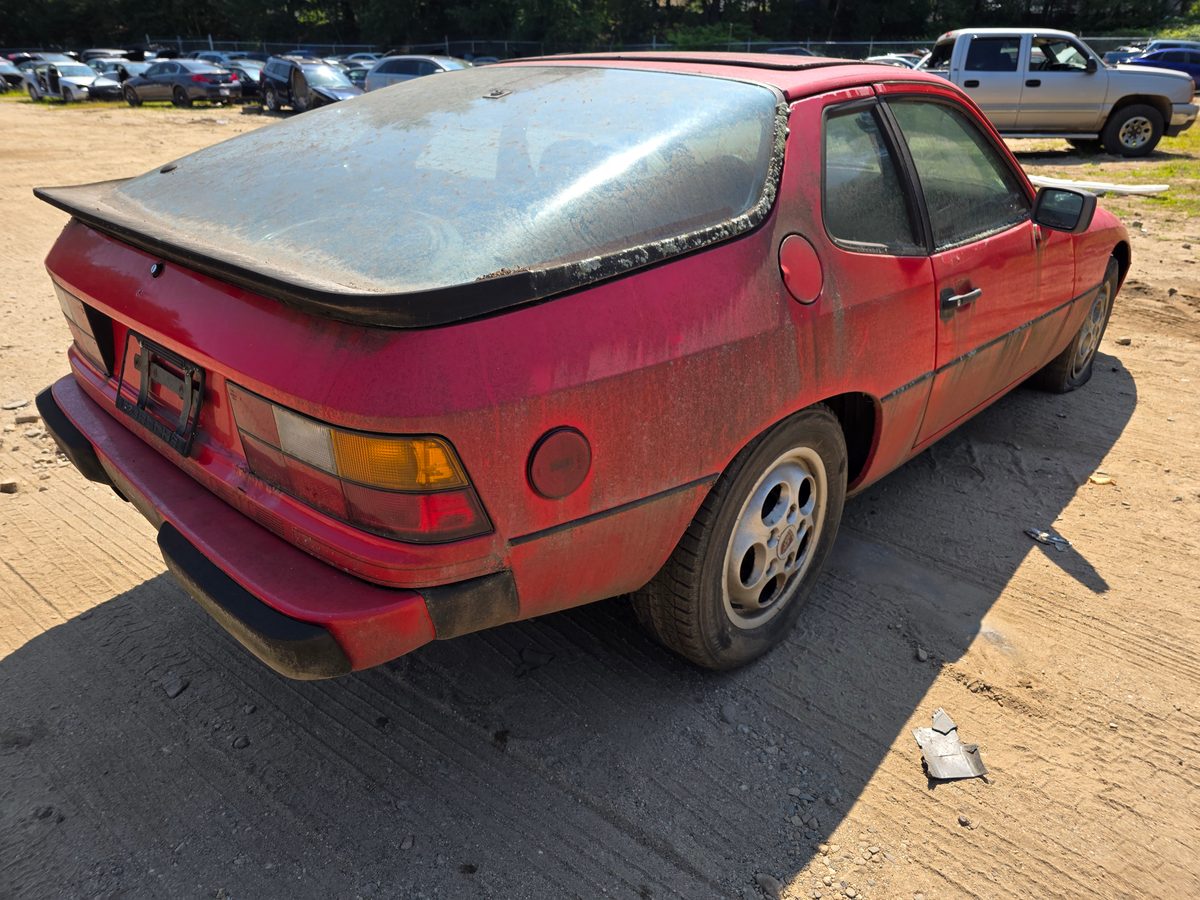
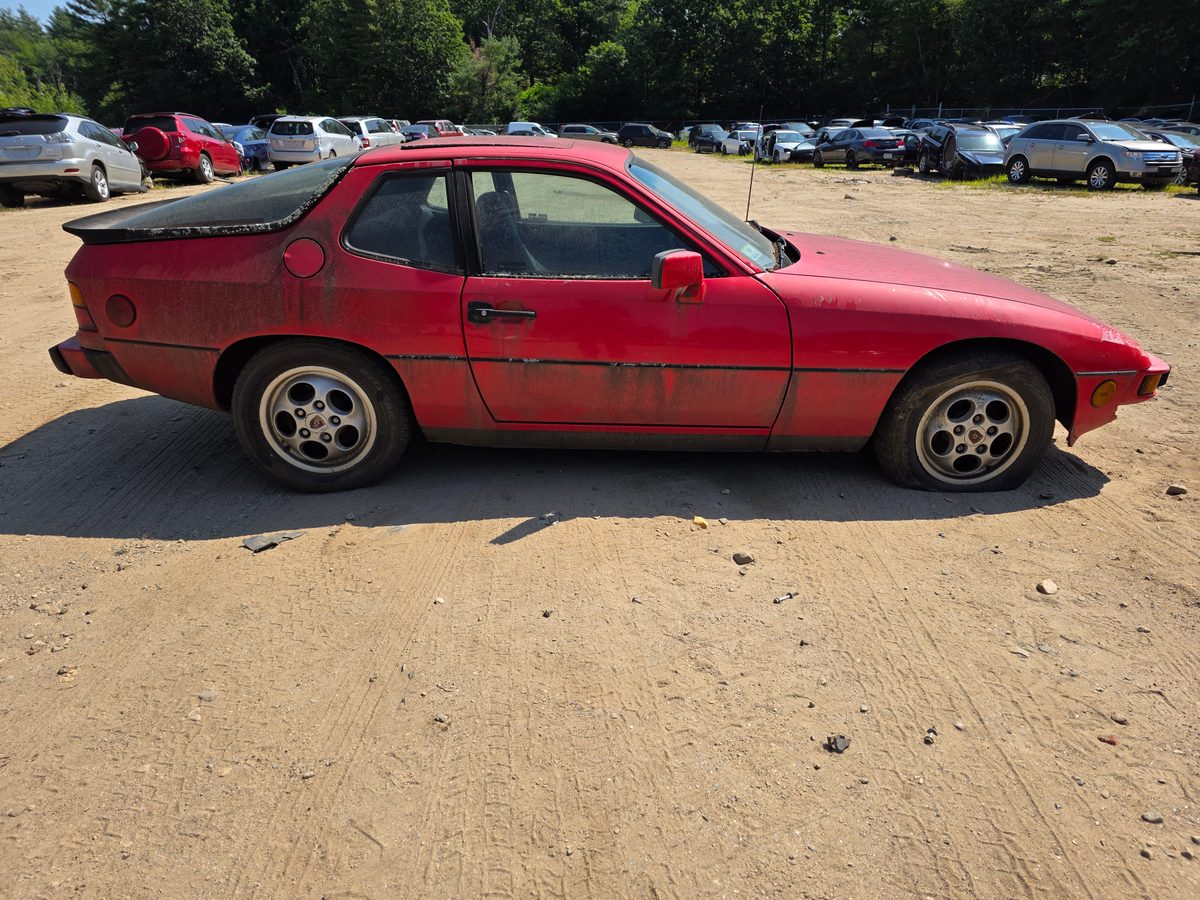
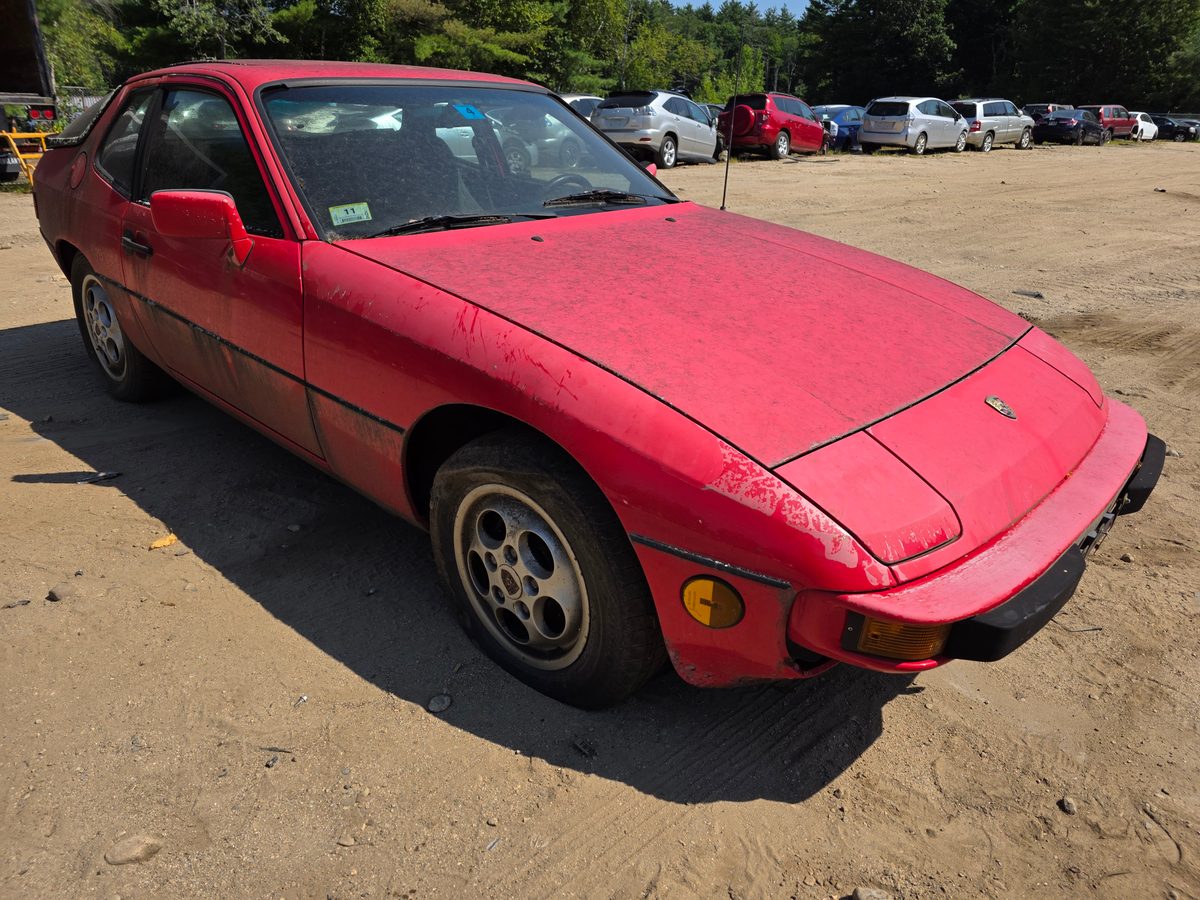
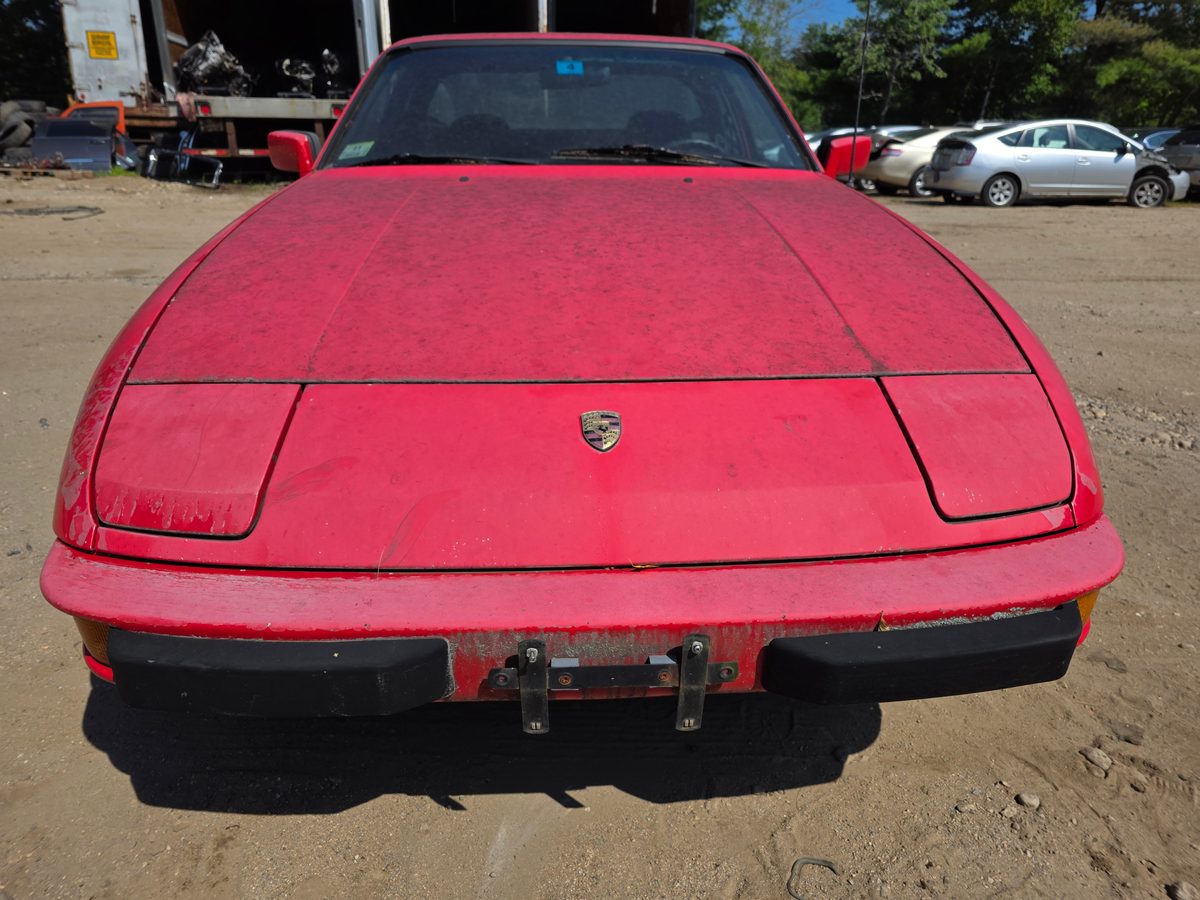
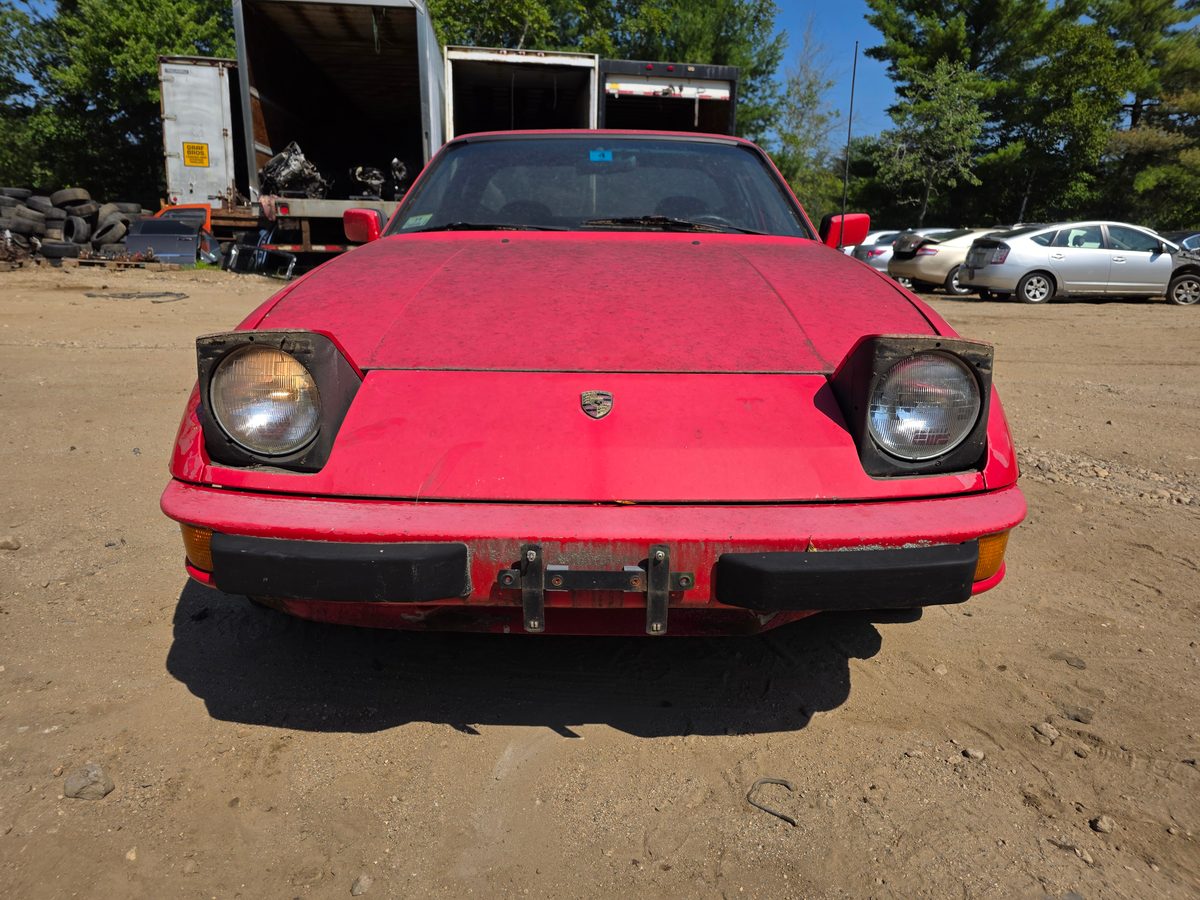
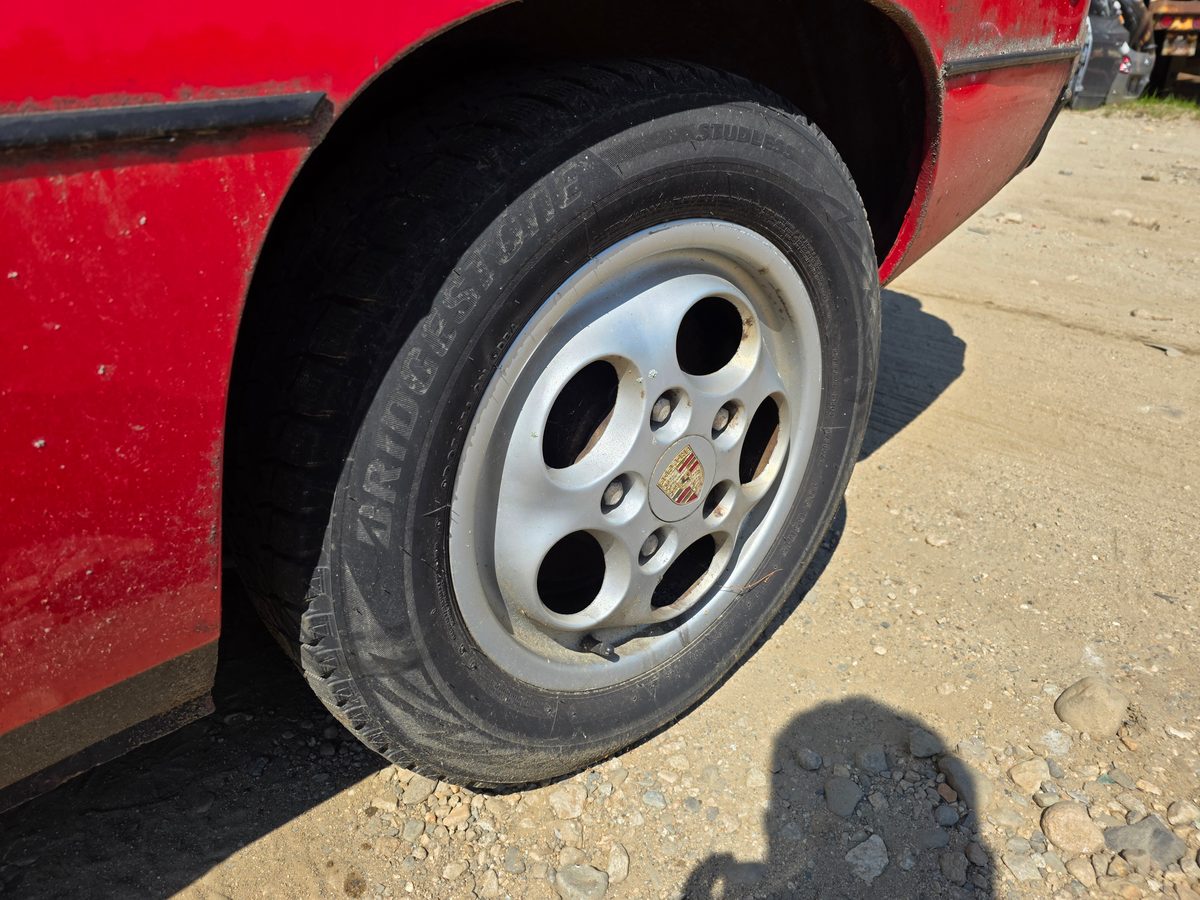
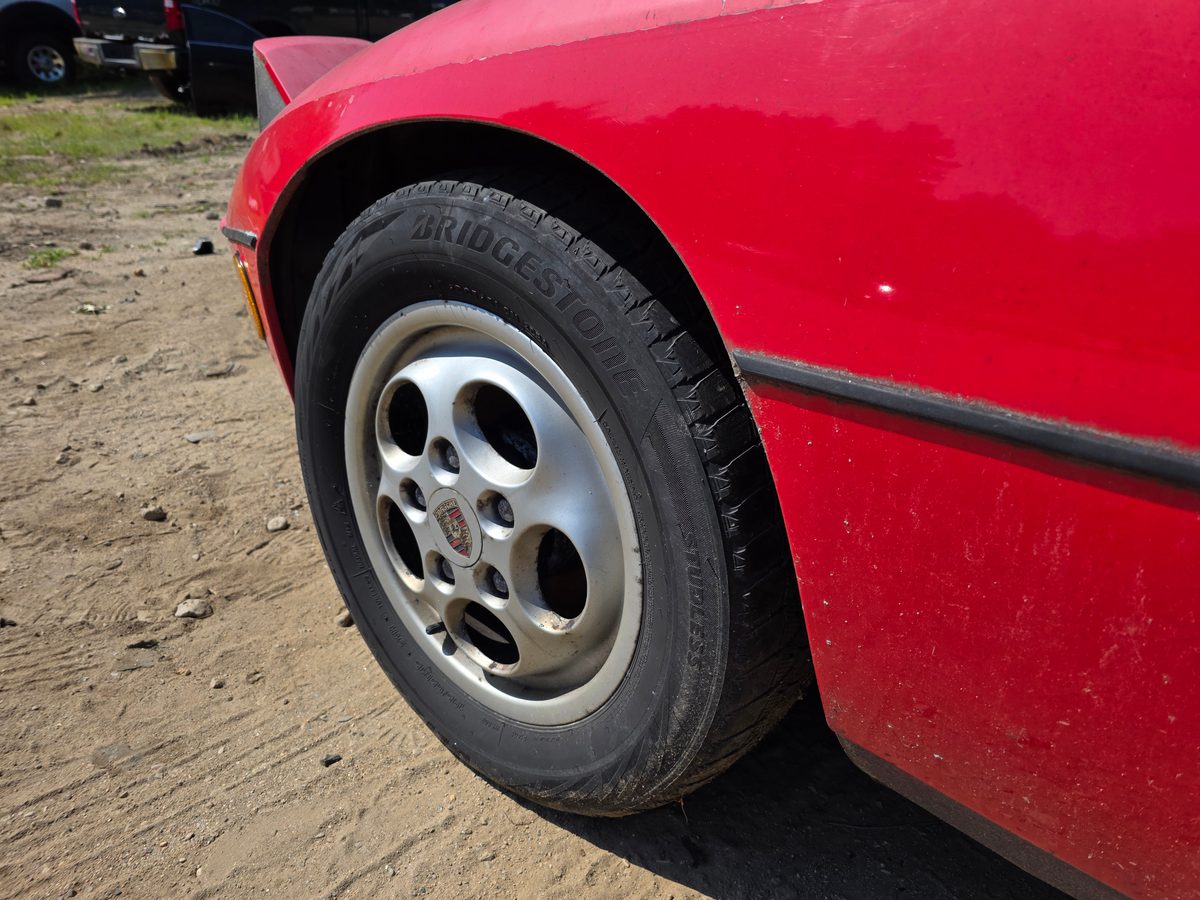
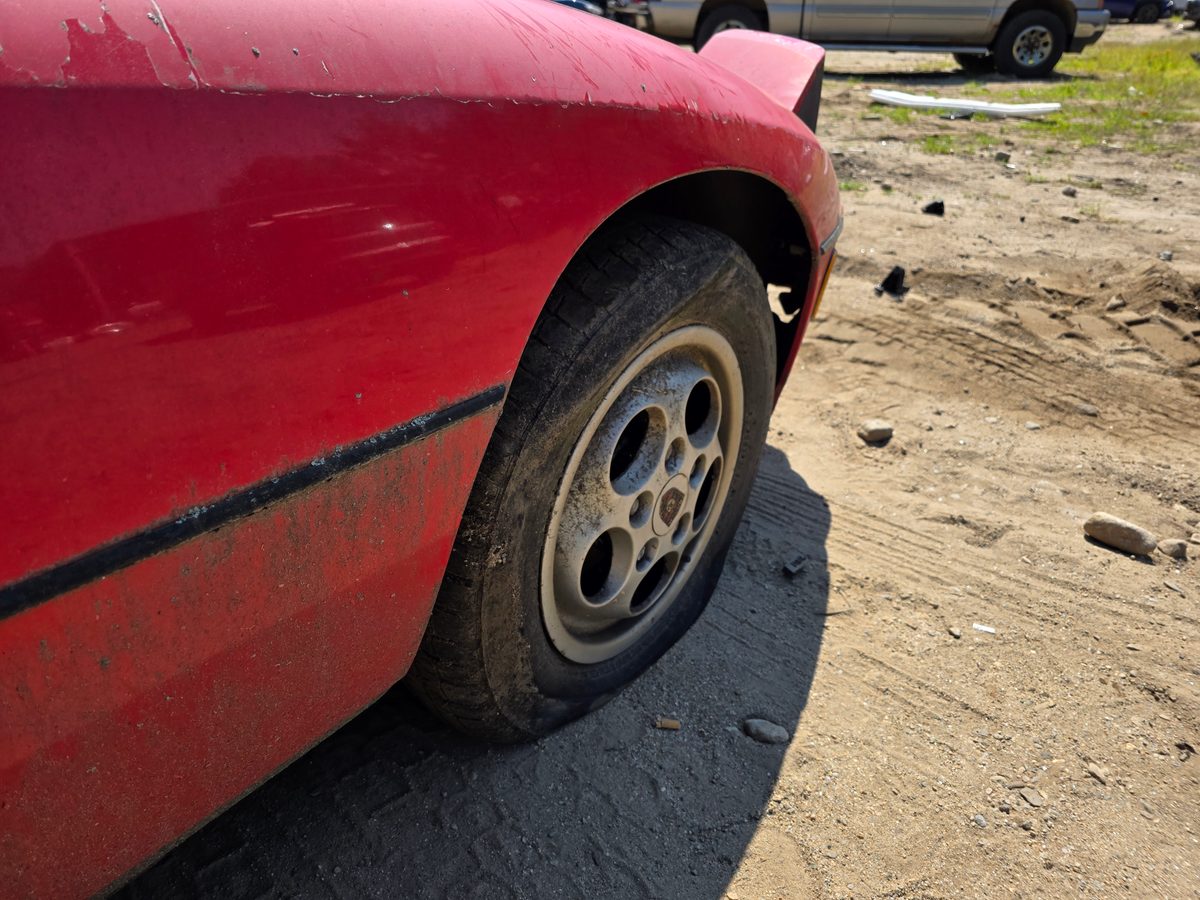
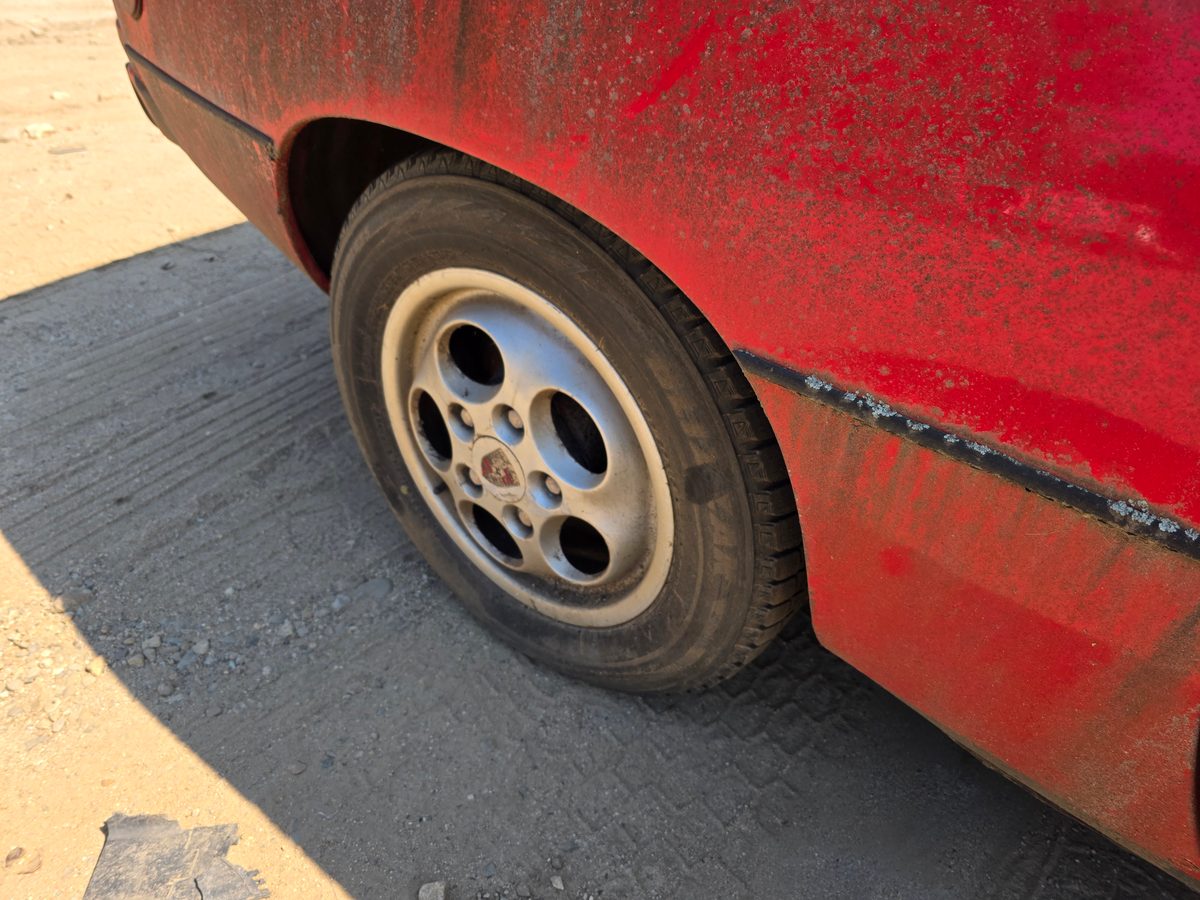
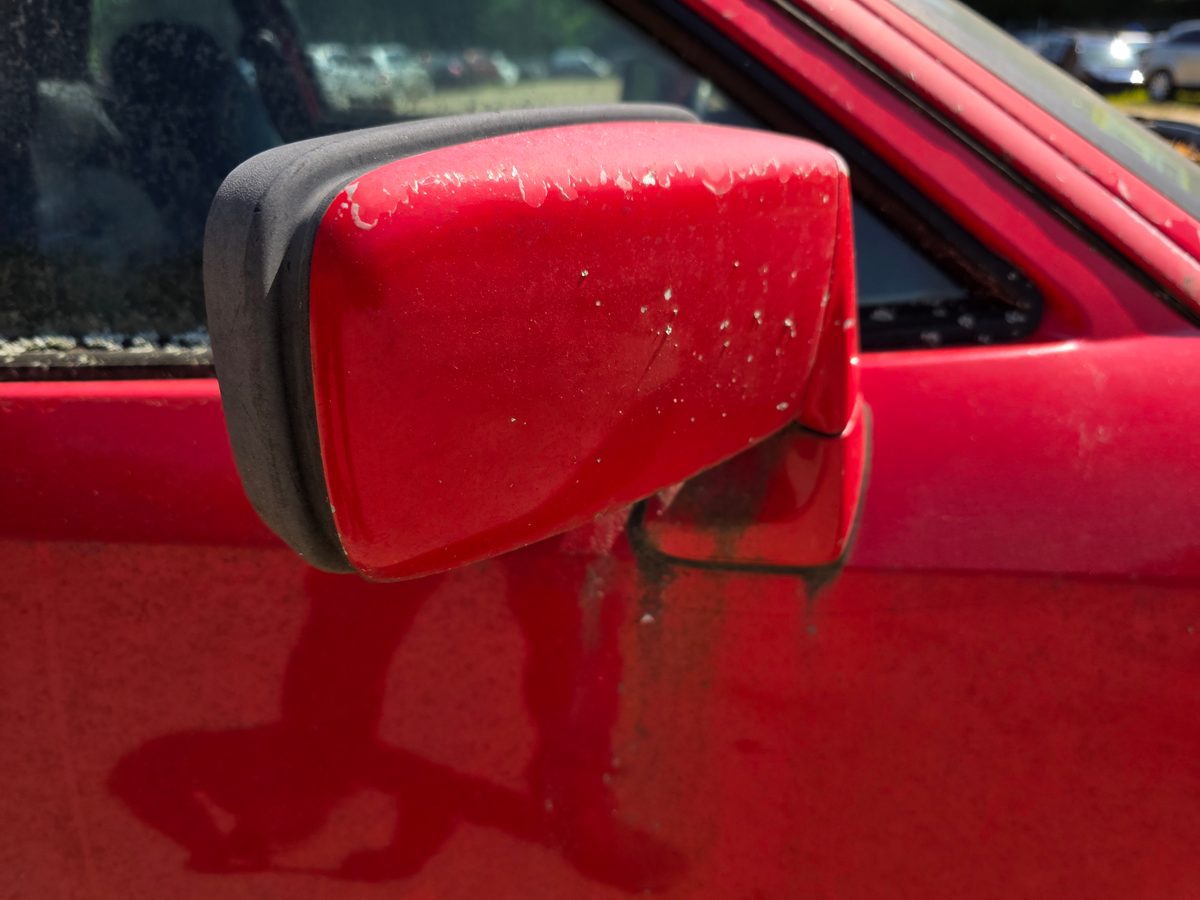
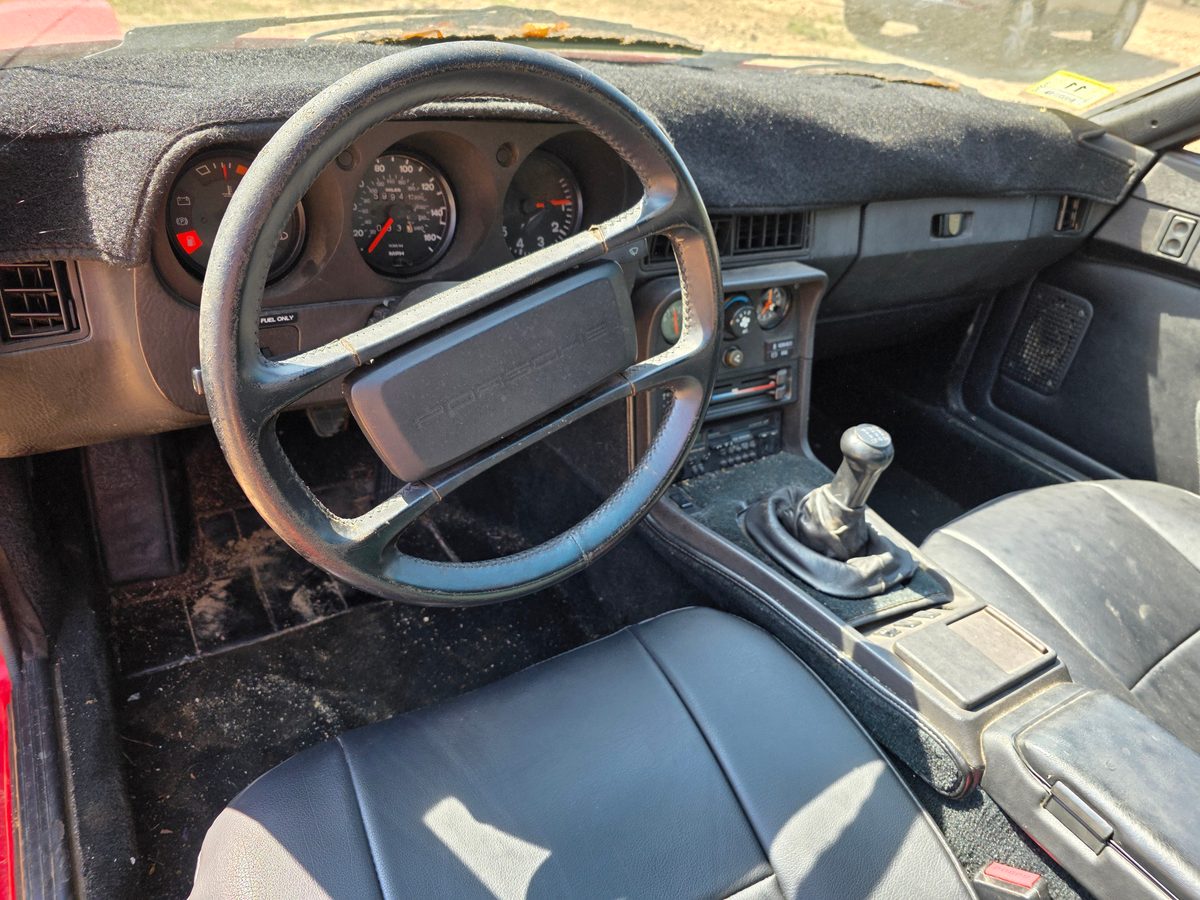
1982 Porsche 924 Base | Vehicle Record
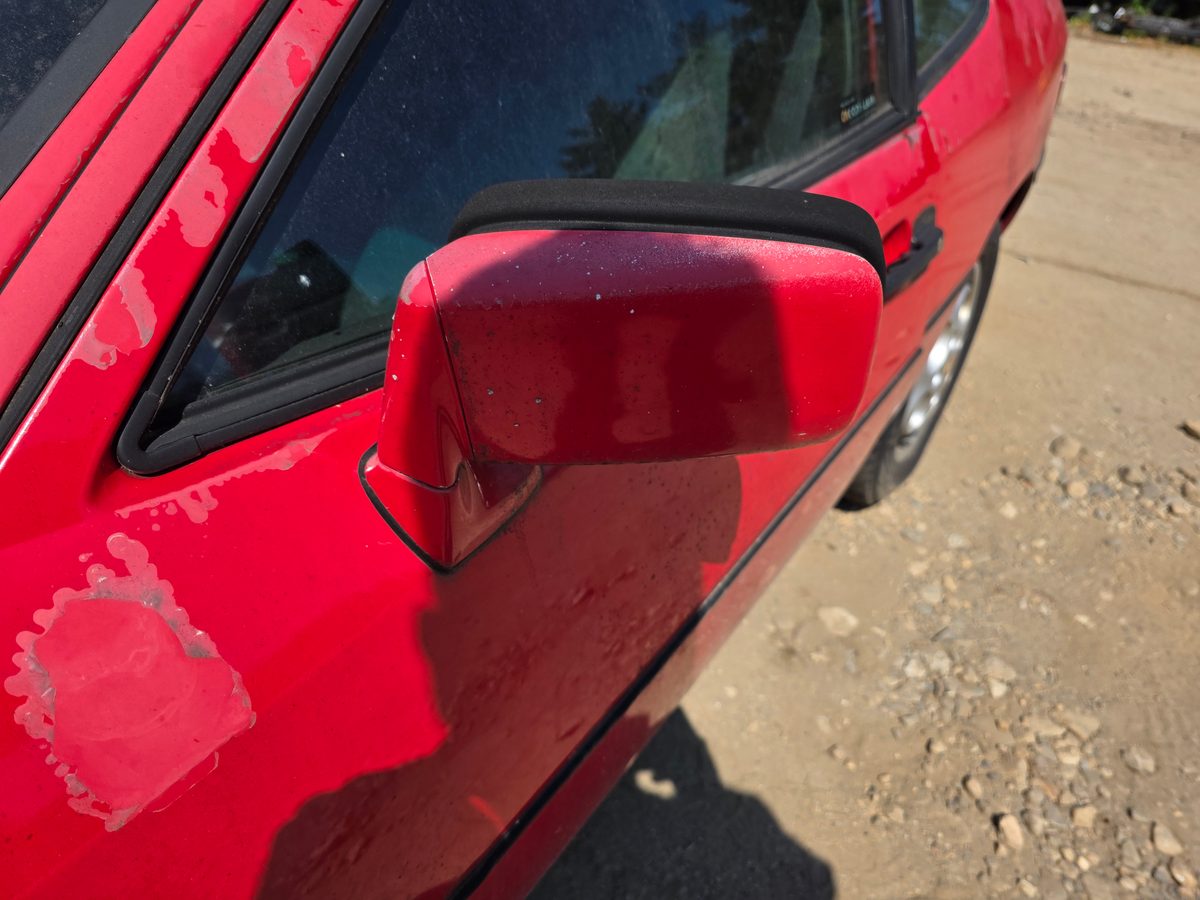
Stock #724255271 · VIN: WP0AA0927HN455271 · Guards Red · Dismantled 2025
📋 Unit Data
| Stock # | 724255271 |
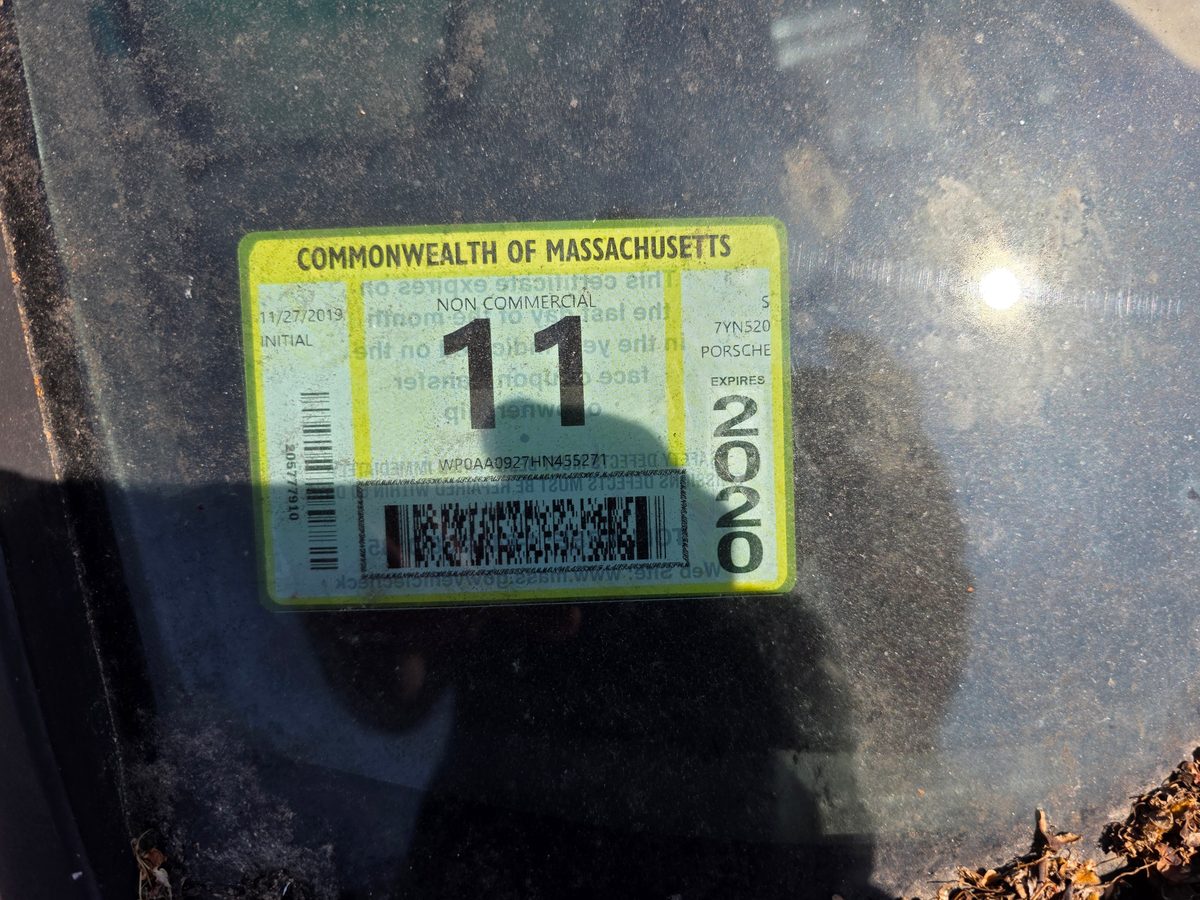
| VIN | WP0AA0927HN455271 |
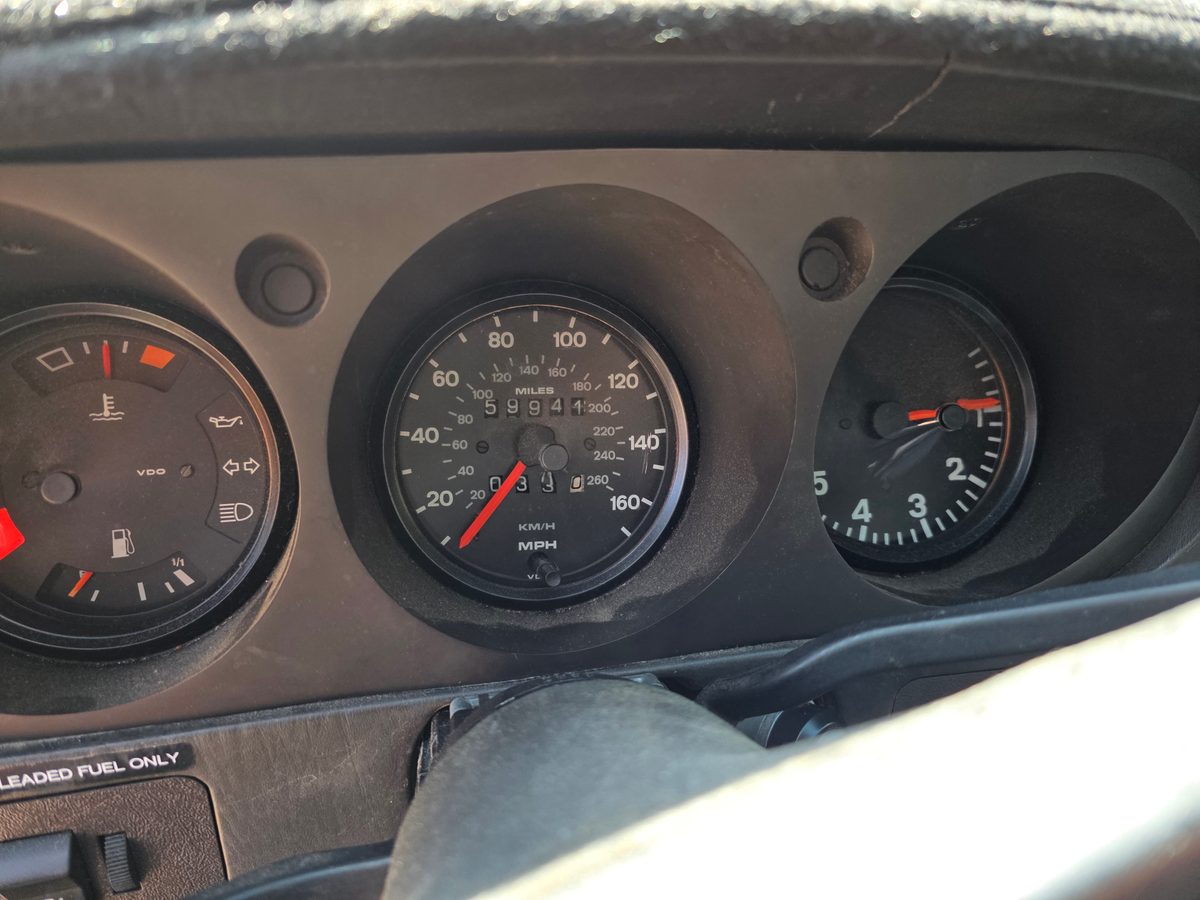
| Mileage | 59,941 miles |
| Year / Make / Model | 1982 Porsche 924 Base |
| VIN | Not Available |
| Mileage | 59,941 |
| Engine | 2.0L Inline-4 (Audi EA831, ~110 HP) |
| Transmission | 5-Speed Manual (Rear Transaxle) |
| Exterior Color | Guards Red (L80K) |
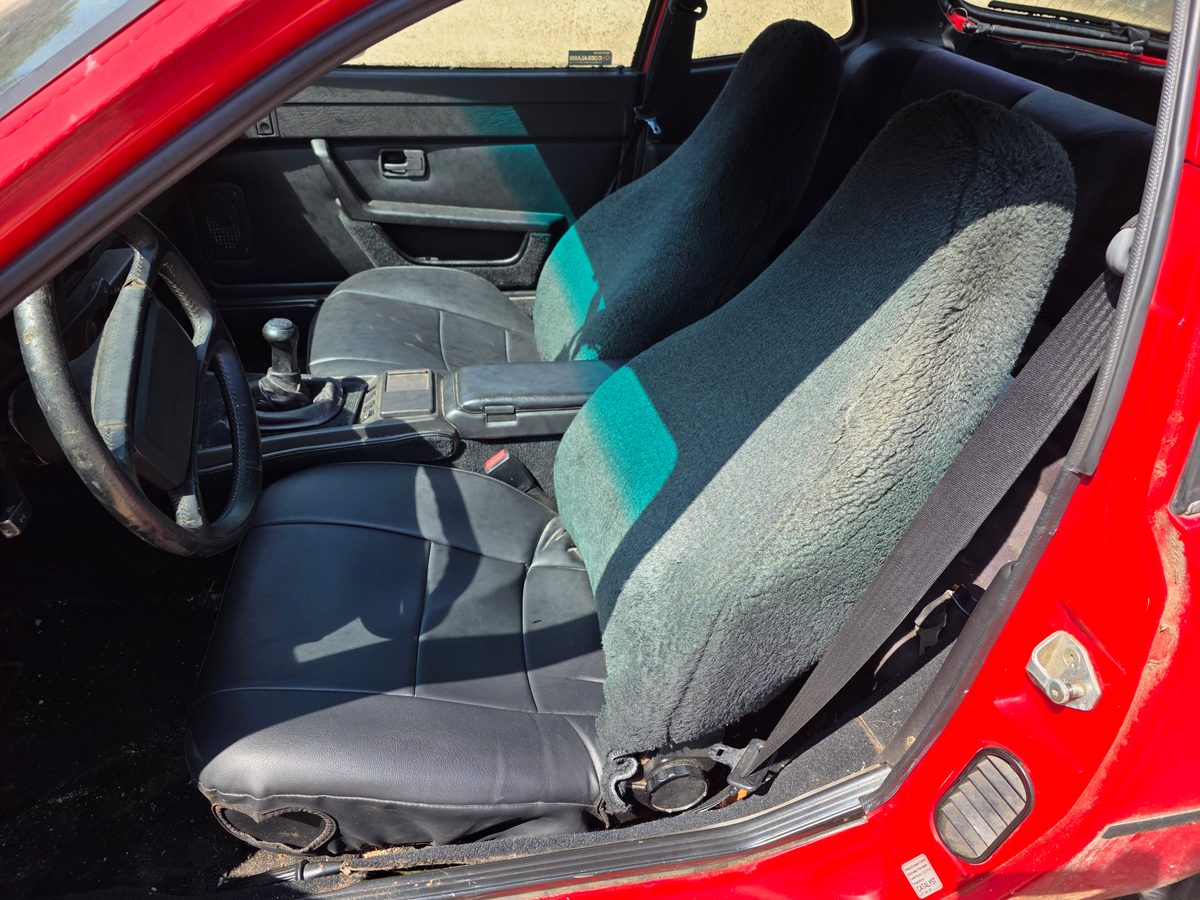
| Interior | Black |
| Drive Type | RWD (Rear-Wheel Drive) |
| Body Style | 2-Door Coupe (Hatchback) |
| Trim Level | Base |
| GVWR | Not Available |
| Tires | Not Available |
Need Parts From This Vehicle?
About the 1976-1988 Porsche 924
The Porsche 924 holds a unique and sometimes controversial place in Porsche history. Originally developed as a joint project between Porsche and Volkswagen in the early 1970s, the 924 was designed to be Porsche’s entry-level front-engine, rear-wheel-drive sports car — replacing the mid-engine 914. Powered by an Audi-sourced 2.0-liter inline-four engine and featuring a rear-mounted transaxle for near-perfect 48/52 weight distribution, the 924 delivered a balanced driving experience that earned praise from automotive journalists. The transaxle layout — with the engine up front and the transmission bolted to the rear differential — was an engineering innovation that gave the 924 handling characteristics rivaling far more expensive sports cars.
Today, the Porsche 924 is experiencing a significant surge in collectibility. As the last affordable entry point into air-cooled-era Porsche ownership, values have climbed steadily since 2020. Guards Red examples like this one are particularly sought after by enthusiasts. With only 7 miles, this 924 represents a well-preserved example of Porsche’s water-cooled transition. Used parts for the 924 are becoming increasingly scarce as fewer examples survive, making salvage vehicles like this invaluable to the restoration community. The CIS/K-Jetronic fuel injection system, pop-up headlight mechanisms, and specific Porsche interior components are especially difficult to source through aftermarket channels.
Whether you’re restoring a project car, maintaining a daily driver, or sourcing parts for a track build, genuine OEM Porsche 924 parts from a known vehicle are far more reliable than reproduction alternatives. The 924 community is passionate and well-connected — if you need a specific part from this vehicle, don’t wait. These classic Porsche parts move quickly.
🔧 Engine Specifications
- Engine CodeEA831 (Audi-sourced)
- Displacement2.0L (1,984 cc)
- ConfigurationInline-4, SOHC 8-valve
- Horsepower~110 HP @ 5,500 RPM (US spec)
- Torque~109 lb-ft @ 3,000 RPM
- Fuel SystemBosch CIS/K-Jetronic Injection
- Fuel TypeUnleaded Gasoline
⚙️ Drivetrain & Dimensions
- Transmission5-Speed Manual (Rear Transaxle)
- Drive TypeRWD
- Wheelbase94.5 in (2,400 mm)
- Curb Weight~2,502 lbs (1,135 kg)
- Fuel Tank17.4 gallons (66 L)
- Overall Length170.3 in (4,326 mm)
- Ground Clearance~5.1 in (130 mm)
⚠️ Recall History — 1982 Porsche 924
Data sourced from NHTSA — 2 recalls found. Click any recall to expand details.
1
SEAT BELTS: FRONT: RETRACTOR
83V111000
2
SUSPENSION: REAR SPRING PLATES
85V095000
🔍 Known Issues — Porsche 924
Timing Belt Failure HIGH
The 2.0L Audi engine uses a timing belt that must be replaced every 30,000-7 miles. If the belt breaks, the interference engine can suffer catastrophic valve damage. Many surviving 924s have unknown belt service history, making this a critical concern for any restoration or daily driving project.
CIS/K-Jetronic Fuel Injection Issues HIGH
The Bosch Continuous Injection System (CIS/K-Jetronic) is mechanically complex and notoriously difficult to diagnose. Common failures include the warm-up regulator, fuel distributor, and cold-start valve. Finding technicians familiar with this system is increasingly difficult, and replacement parts are scarce.
Pop-Up Headlight Motor Failure MODERATE
The iconic pop-up headlights rely on vacuum-operated motors that fail with age. Leaking vacuum lines, worn diaphragms, and corroded linkages are common. Replacement motors and rebuild kits are becoming very hard to source, making functioning units from donor vehicles highly valuable.
Clutch Cable Wear & Breakage MODERATE
The 924 uses a cable-actuated clutch (not hydraulic) that stretches and eventually breaks with age and use. The cable routing through the center tunnel makes replacement labor-intensive. OEM cables are no longer produced, so salvage units are essential for keeping these cars on the road.
Body Rust & Corrosion MODERATE
The 924 is prone to rust in several key areas: lower fenders, door bottoms, battery tray, windshield frame, and rear hatch area. New England salt exposure accelerates this significantly. Clean body panels and structural components from rust-free donors are extremely valuable to restorers.
Electrical System Gremlins MINOR
Aging wiring harnesses, corroded grounds, and brittle connectors cause intermittent electrical issues including gauge failures, turn signal problems, and power window malfunctions. The instrument cluster and combination switches are particularly prone to failure and are vehicle-specific parts.
📊 Reliability Ratings — Porsche 924
Based on owner community data, repair frequency, and parts availability analysis
📅 Porsche 924 Generations & Variants
Porsche 924 (Base)
The original entry-level Porsche. Powered by the Audi-sourced 2.0L EA831 inline-4 producing 95-110 HP (US spec). Featured the innovative rear transaxle layout, pop-up headlights, and a practical hatchback design. Over 150,000 units produced — the best-selling Porsche of its era.
Porsche 924 Turbo (931)
Turbocharged version producing 170-177 HP, addressing criticism of the base model’s modest power. Featured wider wheels, NACA duct on the hood, and improved brakes. Significantly quicker than the base 924 and more respected by Porsche purists.
Porsche 924 Carrera GT / GTS / GTR
Homologation special with a turbocharged and intercooled engine producing 210-375 HP depending on variant. Only 406 Carrera GTs built, making them extremely rare and valuable collector cars today. The GTR race version competed at Le Mans.
Porsche 924S
Final evolution featuring the 2.5L engine from the Porsche 944, producing 150-160 HP. Addressed the performance gap with significantly more power while keeping the 924’s lighter weight. Considered by many enthusiasts as the best-driving 924 variant.
Porsche 944 (Successor)
The spiritual successor to the 924, sharing the same platform but with Porsche’s own 2.5L inline-4 engine, wider bodywork, and improved interior. The 944 Turbo and 944 S2 further refined the formula.
❓ Frequently Asked Questions
🛒 Available Parts From This Vehicle
Don’t See What You Need?
We pull parts daily. Call us and we’ll check if the part you need is still on this vehicle.
📸 All Photos
Need To Junk Your Car?
Get a Fast Cash Offer Now!
Thanks! 🎉
We got your info and someone from 603 Auto Salvage will reach out shortly with your cash offer.