
2004 Nissan 350Z Engine – Sports Car Performance from 603 Auto Salvage
2004 Nissan 350Z Engine – Sports Car Performance from 603 Auto Salvage Need a **2004 Nissan 350Z engine**? 603 Auto Salvage has you covered with quality used VQ35DE V6 engines
Welcome to 603 Auto Salvage, We Sell Quality Used Auto Parts at Affordable prices.
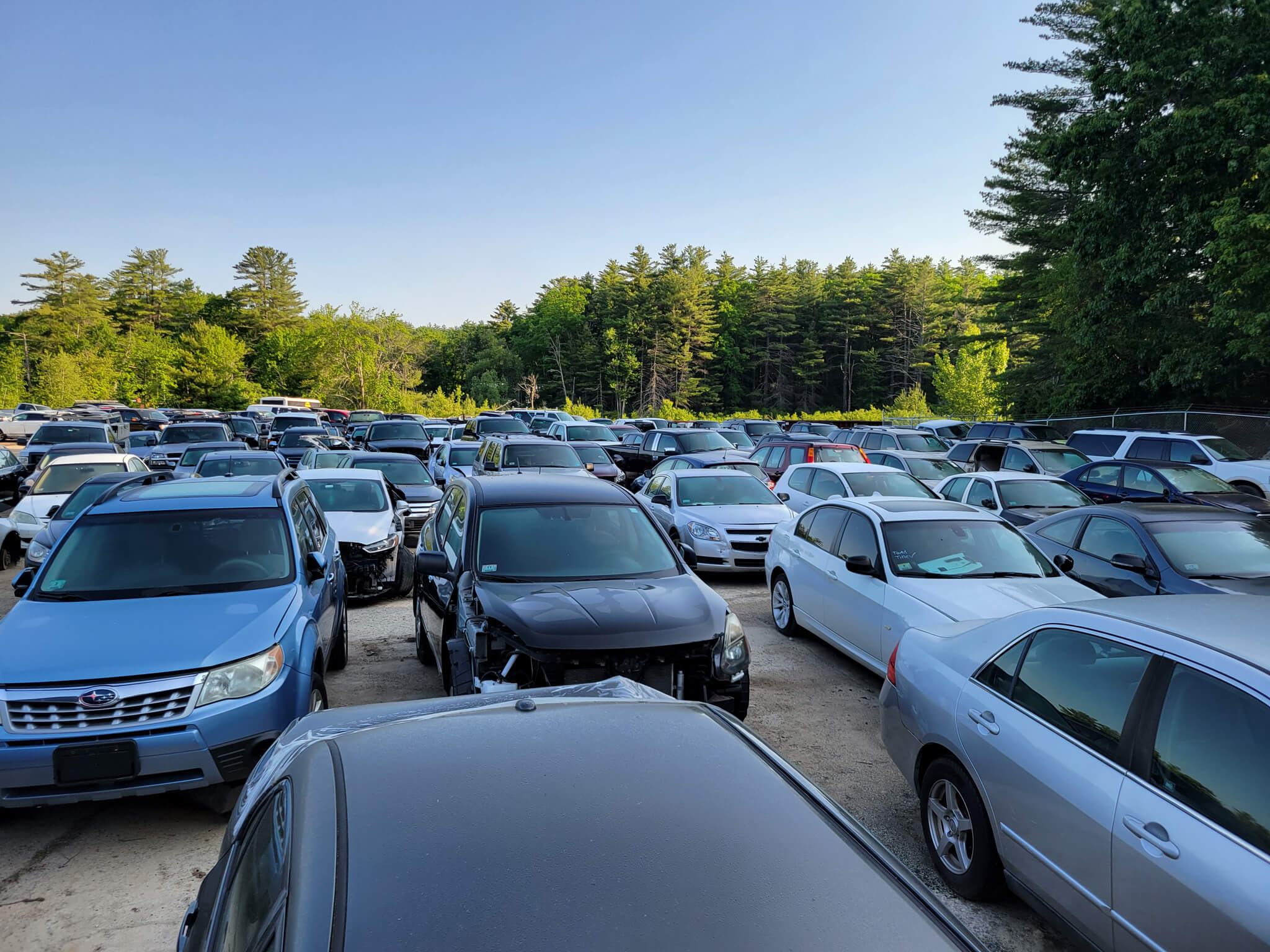
Engine failure doesnt have to mean financial disaster. While dealerships quote $4,000 to $8,000 for new engines and remanufactured options run $2,500 to $5,000, the salvage market offers tested quality at a fraction of those prices. The key is knowing what fair pricing looks like and how to evaluate what youre getting.
Most people have no idea what a junkyard engine should cost. They walk in expecting either impossibly cheap prices or assume salvage means junk. Neither is accurate. Quality used engines from reputable salvage yards offer genuine value, but pricing varies dramatically based on factors most buyers dont consider.
At 603 Auto Salvage, our engines typically range from $400 to $3,500 depending on displacement, make, demand, and verified condition. Common four cylinder engines start around $400 to $800. V6 engines run $600 to $1,400. V8 engines range from $800 to $2,200. High demand or specialty engines command premium pricing. Browse current inventory on our Shop page or contact us for specific pricing on your application.
Engine pricing at salvage yards isnt random. Several factors combine to determine what youll pay. Understanding these helps you evaluate whether a price is fair.
Bigger engines with more cylinders cost more. A 2.0L four cylinder Honda costs less than a 3.5L V6 which costs less than a 5.7L V8. More displacement means more material, more complexity, and usually more demand. Simple pushrod V8 engines often cost less than equivalent displacement overhead cam designs due to parts availability.
Common vehicles mean common engines. A Toyota Camry 2.5L engine shows up regularly in salvage yards, keeping prices competitive. A BMW inline six or Nissan VQ35 commands higher prices because supply is limited and demand remains strong. Rare engines from discontinued vehicles can be surprisingly expensive despite age.
Lower mileage engines cost more because they have more remaining life. An engine with 60,000 miles fetches premium pricing. An engine with 180,000 miles costs less but may still have 100,000 plus miles of service remaining. We document odometer readings photographically so you know exactly what youre getting.
Engines with documented compression test results and known good condition command higher prices. An untested engine from a severe collision might be priced lower to reflect unknown status. Tested engines carry more confidence and typically come with better warranty terms.
Complete engines with all accessories (intake, exhaust manifolds, alternator, AC, power steering) cost more than bare long blocks. For most swap projects, complete engines save significant time and expense. Bare long blocks make sense when your accessories are in good condition.
Pricing varies geographically. New England yards deal with rust issues that affect supply. Southern yards have different inventory mix. West coast specialty engine prices can be astronomical. Local salvage yards offer advantages in inspection and avoiding shipping damage risks.
| Engine Type | Price Range | Examples |
|---|---|---|
| Common 4 Cylinder | $400 to $900 | Honda K24, Toyota 2AR, Nissan QR25 |
| Premium 4 Cylinder | $800 to $1,400 | BMW N20, Audi 2.0T, Subaru FA20 |
| Common V6 | $600 to $1,200 | Toyota 2GR, Ford 3.5 Duratec, Nissan VQ35 |
| Premium V6 | $1,000 to $1,800 | BMW N54, Mercedes M272, Lexus 2UR |
| Domestic V8 (Pushrod) | $800 to $1,800 | LS engines, HEMI, Ford Modular |
| Import V8 | $1,400 to $3,000 | BMW N63, Lexus 1UR, Audi 4.2 |
| Performance Engines | $2,000 to $5,000 | LS3, Hellcat, GT350 Voodoo |
| Diesel Engines | $1,800 to $4,500 | Cummins, Powerstroke, Duramax |
These ranges represent typical salvage yard pricing for tested, complete engines. Bare long blocks cost 20 to 30 percent less. Premium low mileage units can exceed these ranges. Untested or high mileage engines fall below these ranges.
| Source | Typical Cost | Warranty | Wait Time | Best For |
|---|---|---|---|---|
| New from Dealer | $4,000 to $12,000 | 3 years | 2 to 6 weeks | Newer vehicles worth preserving |
| Remanufactured | $2,500 to $5,500 | 3 years | 1 to 3 weeks | Peace of mind on valuable vehicles |
| Rebuilt (Local Shop) | $1,500 to $3,500 | 6 to 12 months | 2 to 4 weeks | When you trust your mechanic |
| Online Used | $800 to $2,500 | 30 to 90 days | 1 to 2 weeks | Convenience, cant inspect first |
| Local Salvage Yard | $400 to $2,500 | 30 to 90 days | Same day | Value, inspection ability, local support |
The math works out clearly for most situations. If your car is worth $8,000 and needs an engine, spending $4,500 on a remanufactured unit rarely makes financial sense. A $1,200 salvage yard engine gets you back on the road while preserving equity in your vehicle. The difference buys a lot of other repairs or goes straight into your pocket.
Smart buyers can influence what they pay through preparation and flexibility.
Walking in and saying you need an engine for a 2015 Honda Accord gets you started. Knowing you need the K24W1 engine code shows youve done homework and helps match you with exactly the right unit. Engine codes matter because the same model vehicle often had multiple engine options across years.
A 90,000 mile engine costs more than a 140,000 mile engine. But both have substantial life remaining if maintained properly. Being flexible on mileage within reasonable ranges saves money without sacrificing quality. An engine with 130,000 documented miles often beats an engine with questionable 80,000 mile claims.
If your current accessories (alternator, AC compressor, power steering pump) work fine, a bare long block saves money. If theyre questionable or if labor time matters, complete engines simplify the swap even at higher cost. Calculate what makes sense for your situation.
Salvage yard inventory fluctuates. The engine you need might not be in stock today but could arrive next week. If your timeline allows flexibility, waiting for the right unit at the right price beats settling for whatever is available. We can notify you when specific engines arrive.
The engine price is only part of your total repair cost. Budget realistically for the complete job.
Professional engine installation typically runs $800 to $2,000 depending on vehicle complexity and shop rates. Front wheel drive transverse engines often cost less to install than rear wheel drive longitudinal setups. Trucks and SUVs with more room can be easier to work on than cramped engine bays in compact cars.
Budget $150 to $300 for oil, coolant, transmission fluid top off, and misc fluids during installation. These arent optional expenses. Fresh fluids during installation help verify the swap went correctly and establish a maintenance baseline.
Smart mechanics replace items that are accessible during the swap but difficult to reach later. Timing belt (if applicable), water pump, thermostat, serpentine belt, motor mounts, and various seals make sense to address while the engine is out. Budget $200 to $600 depending on what needs attention.
Sometimes additional issues reveal themselves during installation. Wiring problems, exhaust gasket replacement, transmission mating issues, or sensor compatibility questions can add time and expense. A 10 to 15 percent contingency in your budget handles most surprises without financial stress.
Good salvage yards know where their engines came from. An engine from a rear ended vehicle with documented maintenance beats an engine from a flood car every time. Ask about accident type, previous ownership, and available history. Yards that cant or wont answer these questions raise red flags.
Compression testing reveals internal engine health. Leak down testing identifies where problems exist. Oil analysis catches contamination. Not every engine gets tested, but yards that offer testing on request demonstrate quality focus. Pay for testing if it provides peace of mind.
Pull the dipstick and look for milky oil (coolant contamination) or metal flakes (internal wear). Check oil fill cap underside for sludge. Look for fresh sealer suggesting recent repairs. Examine accessory condition and wire harness completeness. Trust your eyes and dont let price alone drive decisions.
Understand exactly what the warranty covers before purchasing. Most salvage yard warranties cover internal mechanical components but exclude externally mounted parts, labor for removal and reinstallation, and consequential damage. A 90 day warranty on internal components is standard for quality yards. Anything less suggests caution.
Toyota, Honda, Nissan, and Mazda four cylinder engines represent excellent salvage yard value. These engines are known for reliability and show up frequently in inventory.
V6 engines from Japanese manufacturers balance power and efficiency. Supply varies but demand remains steady.
American V8 engines dominate the truck and performance market. LS engines command premiums due to swap popularity.
German and European engines cost more due to complexity and limited supply. Higher engineering standards mean higher prices.
Some situations warrant significantly lower pricing. Recognize these and adjust expectations accordingly.
Jennifer Walsh, Salem NH: “My daughters college car needed an engine. Dealership wanted $4,200 plus labor. Found a tested replacement at 603 for $750. Total repair cost was under $1,800. The car ran great for three more years until she graduated.”
Marcus Thompson, Methuen MA: “I flip cars on the side. These guys understand fair pricing. Ive bought maybe eight engines from them over the years. Never been burned. They tell you exactly what youre getting and price accordingly.”
Ryan OBrien, Nashua NH: “Needed an LS for a swap project. Found a 5.3 with 89k for $1,400. Compression tested perfect. The swap community wants $2,500 plus for the same engine. Saved enough to buy a good transmission too.”
How much should I expect to pay for a junkyard engine?
Most common engines range from $400 to $1,800 at quality salvage yards. Four cylinders typically cost $400 to $900. V6 engines run $600 to $1,400. V8 engines range $800 to $2,200. Specialty, diesel, and high performance engines cost more.
Is a junkyard engine worth buying?
For most situations, absolutely yes. Quality tested engines from reputable yards provide excellent value. The key is buying from yards that test their inventory, document mileage, and stand behind what they sell.
How long will a junkyard engine last?
A quality used engine with 100,000 miles has another 100,000 or more miles remaining with proper maintenance. Many Japanese engines exceed 250,000 to 300,000 miles. Diesel engines routinely hit 400,000 plus miles. Used doesnt mean worn out.
Should I buy a high mileage or low mileage used engine?
Lower mileage costs more but has more life remaining. However, a well maintained 150,000 mile engine beats a neglected 80,000 mile engine. Verified service history matters more than mileage alone.
What warranty do junkyard engines come with?
Quality yards offer 30 to 90 day warranties on internal mechanical components. Coverage varies by yard and specific engine. Always understand warranty terms before purchasing. Labor is typically not covered.
Can I negotiate junkyard engine prices?
Yes, within reason. Cash transactions, buying multiple items, or purchasing an engine thats been in inventory longer may create negotiation room. Pricing on high demand engines leaves less flexibility.
How do I know if a junkyard engine is good?
Request compression test results, check oil condition, examine external appearance, and ask about source vehicle history. Reputable yards provide documentation and allow inspection before purchase.
Should I buy online or from a local yard?
Local yards let you inspect before buying and avoid shipping damage risk. Online engines offer more selection but sight unseen risk. For expensive engines, local inspection provides peace of mind worth the possible selection limitation.
What else will I need to buy besides the engine?
Budget for installation labor ($800 to $2,000), fluids ($150 to $300), and while youre in there parts ($200 to $600). A 10 to 15 percent contingency handles surprises. Total repair typically runs 2 to 3 times engine cost.
Do junkyard engines come with everything I need?
Complete engines include most accessories. Verify whats included before purchasing. Items like sensors, wiring harness, and starter may or may not be included depending on how the engine was pulled.
Understanding junkyard engine costs helps you make informed decisions and avoid overpaying. Quality used engines offer genuine value when purchased from reputable yards that test their inventory and stand behind what they sell. The salvage market exists specifically to keep vehicles on the road affordably.
At 603 Auto Salvage, we price engines fairly based on actual condition, documented mileage, and market demand. No games, no pressure, no hidden fees. Just honest pricing on tested engines with clear warranty terms.
Call 603-392-7313 to discuss your engine needs and get accurate pricing. Your affordable engine replacement is waiting at 603 Auto Salvage.
Looking for more automotive solutions? Explore our other resources: 114 Auto Salvage, LightSpeedBid, and Rapid Cash for Junk Cars for additional services and savings.
2004 Nissan 350Z Engine – Sports Car Performance from 603 Auto Salvage Need a **2004 Nissan 350Z engine**? 603 Auto Salvage has you covered with quality used VQ35DE V6 engines
Used 327 Engine for Sale – Classic Chevy Small Block from 603 Auto Salvage Looking for a **used 327 engine for sale**? You’ve found the right place. 603 Auto Salvage
Hernandez Auto Salvage | Professional Auto Parts & Vehicle Recycling Services Looking for reliable hernandez auto salvage services in New Hampshire? 603 Auto Salvage is your trusted partner for quality
Get a Fast Cash Offer Now!
We got your info and someone from 603 Auto Salvage will reach out shortly with your cash offer.
Get $300–$15,000 for Your |
Get your cash offer in 60 seconds
Cars like yours typically pay $300–$5,000+