
2004 Nissan 350Z Engine – Sports Car Performance from 603 Auto Salvage
2004 Nissan 350Z Engine – Sports Car Performance from 603 Auto Salvage Need a **2004 Nissan 350Z engine**? 603 Auto Salvage has you covered with quality used VQ35DE V6 engines
Welcome to 603 Auto Salvage, We Sell Quality Used Auto Parts at Affordable prices.
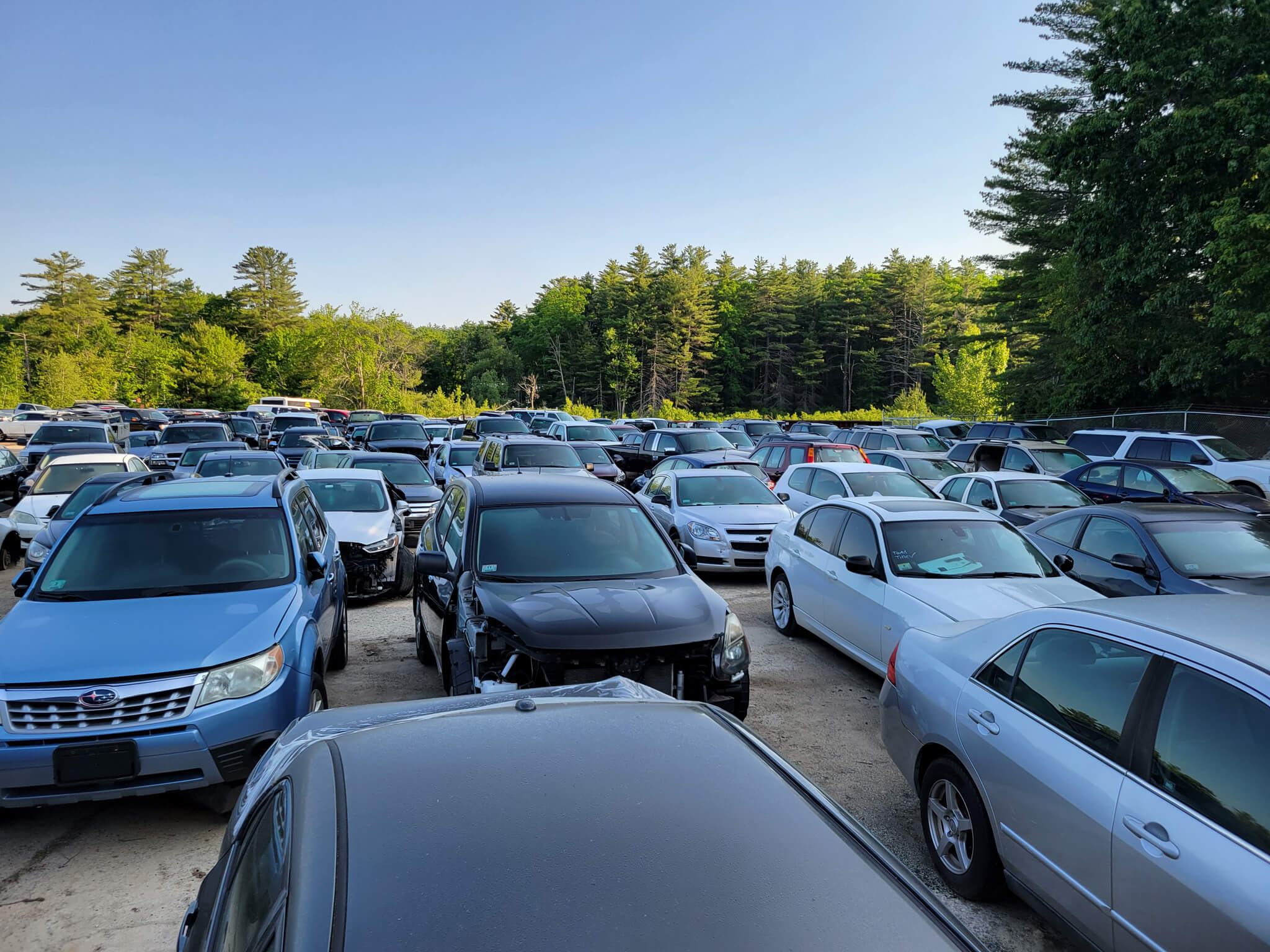
When your vehicle needs repairs, buying used auto parts offers an intelligent solution that combines quality with affordability. Smart car owners across New Hampshire have discovered that salvaged automotive components provide the same functionality as new parts at significantly lower prices. At 603 Auto Salvage, we’ve helped thousands of customers find the exact parts they need while saving substantial money on their automotive repairs.
Cost savings represent the most obvious benefit when you buy used auto parts. Typical savings range from 50-80% compared to new OEM parts, making major repairs financially feasible for drivers who might otherwise face difficult decisions about their vehicles’ futures.
Quality often exceeds expectations with properly sourced salvage parts. OEM components removed from accident vehicles frequently offer superior engineering compared to aftermarket alternatives, providing better fit, finish, and longevity than cheaper new parts.
Immediate availability gives used parts a significant advantage over new components. While dealerships may require days or weeks to order specific parts, established salvage yards maintain extensive inventories of commonly needed components ready for immediate purchase.
Environmental responsibility makes buying used auto parts an eco-friendly choice. By extending the useful life of existing components, you’re reducing manufacturing demand, decreasing waste production, and supporting sustainable automotive practices.
Engines and transmissions represent the highest-value purchases in the used parts market. These major components offer dramatic savings potential while providing reliable service when properly selected and installed. Most reputable yards test these items thoroughly before sale.
Body panels and exterior components provide excellent value for collision repairs. Doors, hoods, fenders, bumpers, and glass assemblies from salvage yards cost fractions of body shop prices while offering perfect fit and finish when properly matched.
Interior components like seats, dashboards, door panels, and trim pieces often look nearly new when sourced from well-maintained vehicles. These parts allow you to refresh your vehicle’s appearance affordably while maintaining original equipment quality.
Electronic components including ECUs, infotainment systems, and sensor arrays can provide substantial savings over new alternatives. However, these items require careful compatibility verification to ensure proper function with your vehicle’s systems.
Inspect components carefully before purchase. Look for signs of excessive wear, corrosion, damage, or previous repairs that might affect functionality. Reputable sellers encourage thorough inspection and can provide guidance on what to examine.
Verify part numbers exactly match your vehicle’s specifications. Even small differences in part numbers can indicate incompatibility issues that may prevent proper installation or function. Bring your old part for direct comparison when possible.
Request testing documentation for major components. Established salvage yards test engines, transmissions, and other critical systems before sale. Ask to see compression results, fluid analysis, or electrical testing data for expensive purchases.
Consider the source vehicle’s history when available. Parts from low-mileage vehicles, non-accident removals, or well-maintained fleet vehicles typically offer better long-term reliability than components from heavily used or damaged vehicles.
Local salvage yards provide the best opportunity for hands-on inspection and immediate availability. These businesses often offer competitive pricing, installation referrals, and return policies that protect your investment.
Online parts networks connect you with inventories from multiple locations, expanding your selection dramatically. These platforms allow detailed searching, price comparison, and shipping arrangement from distant yards with exactly what you need.
Auto recycling centers maintain higher organization and quality standards than traditional junkyards. These facilities typically offer cleaner parts, better documentation, and more comprehensive testing of major components.
Specialty salvage operations focus on specific brands or vehicle types, making them valuable resources for unique components. Import specialists, luxury car recyclers, and classic vehicle yards often stock items unavailable through general salvage operations.
Research market values before shopping to understand fair pricing for specific components. Online platforms and local yard comparisons help establish reasonable price ranges for the parts you need.
Negotiate respectfully with salvage yard operators. Many businesses offer flexibility on pricing, especially for multiple-item purchases or repeat customers. Building relationships with local yards often leads to preferred customer treatment and better deals.
Consider package deals when you need multiple components. Many yards offer discounts for bulk purchases, making comprehensive repairs more affordable than piecemeal part buying.
Factor in all costs including shipping, core charges, and installation when comparing options. The lowest base price doesn’t always provide the best overall value when additional fees are included.
Professional installation ensures proper fitment and function for complex components. While simple parts like mirrors or trim pieces suit DIY installation, major systems require qualified technician expertise for safe, reliable results.
Compatibility verification becomes crucial with electronic components. Modern vehicles employ complex communication networks that require exact part specifications for proper integration with existing systems.
Break-in procedures may apply to certain used components. Engines, transmissions, and brake systems often require specific break-in protocols to ensure optimal performance and longevity after installation.
Warranty considerations affect installation choices. Some salvage yards void warranties if parts are not professionally installed, while others offer installation services that provide comprehensive coverage for both parts and labor.
Rushing purchase decisions without proper research often leads to compatibility problems or overpaying for common components. Take time to verify specifications and compare prices before committing to purchases.
Ignoring return policies can create expensive problems if parts prove incompatible or defective. Always understand return terms and inspect parts thoroughly before installation.
Overlooking shipping costs for online purchases can eliminate savings advantages. Calculate total delivered costs when comparing local and distant suppliers to make informed decisions.
Attempting complex installations without proper tools or expertise can damage expensive parts or create safety hazards. Recognize your skill limitations and seek professional help when appropriate.
| Component Type | Average Savings vs New | Typical Warranty | Installation Complexity |
|---|---|---|---|
| Complete Engine | 60-70% | 90 days | Professional Required |
| Transmission | 55-65% | 90 days | Professional Required |
| Body Panels | 70-85% | 30 days | Moderate DIY |
| Interior Components | 60-80% | 30 days | Easy DIY |
| Electronic Modules | 50-70% | 30 days | Professional Recommended |
“My Jeep’s engine blew at 180,000 miles, and the dealer wanted $6,000 for a replacement. I found a low-mileage engine at 603 Auto Salvage for $1,400 that came with a 90-day warranty. Two years later, it’s running better than ever. The savings kept me from having to finance a new vehicle.”
“After a parking lot accident damaged my car’s door and mirror, insurance wanted to total the vehicle. I bought both parts from 603 Auto Salvage for under $200 and had them installed locally. The color match was perfect, and I saved my car from the junkyard while keeping my insurance rates low.”
“I needed a transmission for my work truck but couldn’t afford the downtime for a rebuild. 603 Auto Salvage had a tested transmission ready to install the same day. The price was $1,800 less than a rebuilt unit, and it’s been working flawlessly for 18 months.”
Reputable salvage yards implement quality control processes to ensure customer satisfaction. These procedures include visual inspection, function testing, and proper storage methods that preserve component integrity until sale.
Testing protocols vary by component type but typically include compression testing for engines, pressure testing for cooling systems, and electrical testing for electronic components. Ask about specific testing procedures for major purchases.
Documentation provides valuable information about part history, testing results, and warranty coverage. Professional operations maintain records that help customers make informed decisions about their purchases.
Return policies protect customers from compatibility issues or defective components. Established yards typically offer reasonable return periods and fair exchange policies for parts that don’t meet expectations.
Verify your vehicle’s year, make, model, engine specifications, and VIN with the salvage yard. Many yards use computerized systems to cross-reference compatibility and ensure proper fitment. Bring your old part for direct comparison when possible.
Warranty periods vary by part type and yard policy. Major components like engines and transmissions often carry 30-90 day warranties, while smaller parts may have shorter coverage. Always clarify warranty terms before purchase.
When sourced from reputable suppliers, used parts can be very safe. However, safety-critical components like airbags, brake systems, and suspension parts require extra scrutiny. Work with established yards that test these items thoroughly.
Savings typically range from 50-80% compared to new OEM parts. Major components offer the greatest savings potential, while even smaller parts provide significant cost advantages over dealer alternatives.
Installation complexity varies greatly by component. Simple items like trim pieces or mirrors suit DIY installation, while engines, transmissions, and electronic systems require professional expertise for safe, reliable results.
Check for physical damage, excessive wear, corrosion, or signs of previous repairs. For mechanical components, ask about testing results and operating history. Always verify part numbers match your vehicle’s specifications exactly.
Buying used auto parts represents a smart financial strategy that doesn’t compromise on quality or reliability when you work with reputable suppliers. The key lies in thorough research, careful inspection, and working with established businesses that stand behind their products.
603 Auto Salvage has built our reputation on providing quality used auto parts backed by fair pricing, thorough testing, and customer-focused service. Our extensive inventory, knowledgeable staff, and commitment to customer satisfaction make us New Hampshire’s trusted source for automotive components.
Ready to buy used auto parts for your next repair project? Call (603) 392-7313 to speak with our parts specialists, or visit our facility to inspect our current inventory. We’ll help you find exactly what you need while ensuring compatibility and value.
Whether you need major components for engine repairs, body panels for collision work, or interior parts for restoration projects, 603 Auto Salvage provides the quality used parts and expert guidance that keep New Hampshire vehicles running reliably and affordably.
Explore our current parts inventory online, learn about our vehicle purchasing program, or visit our frequently asked questions page for additional information. Contact us through our contact page for specific parts inquiries or scheduling assistance.
2004 Nissan 350Z Engine – Sports Car Performance from 603 Auto Salvage Need a **2004 Nissan 350Z engine**? 603 Auto Salvage has you covered with quality used VQ35DE V6 engines
Used 327 Engine for Sale – Classic Chevy Small Block from 603 Auto Salvage Looking for a **used 327 engine for sale**? You’ve found the right place. 603 Auto Salvage
Hernandez Auto Salvage | Professional Auto Parts & Vehicle Recycling Services Looking for reliable hernandez auto salvage services in New Hampshire? 603 Auto Salvage is your trusted partner for quality