
2004 Nissan 350Z Engine – Sports Car Performance from 603 Auto Salvage
2004 Nissan 350Z Engine – Sports Car Performance from 603 Auto Salvage Need a **2004 Nissan 350Z engine**? 603 Auto Salvage has you covered with quality used VQ35DE V6 engines
Welcome to 603 Auto Salvage, We Sell Quality Used Auto Parts at Affordable prices.
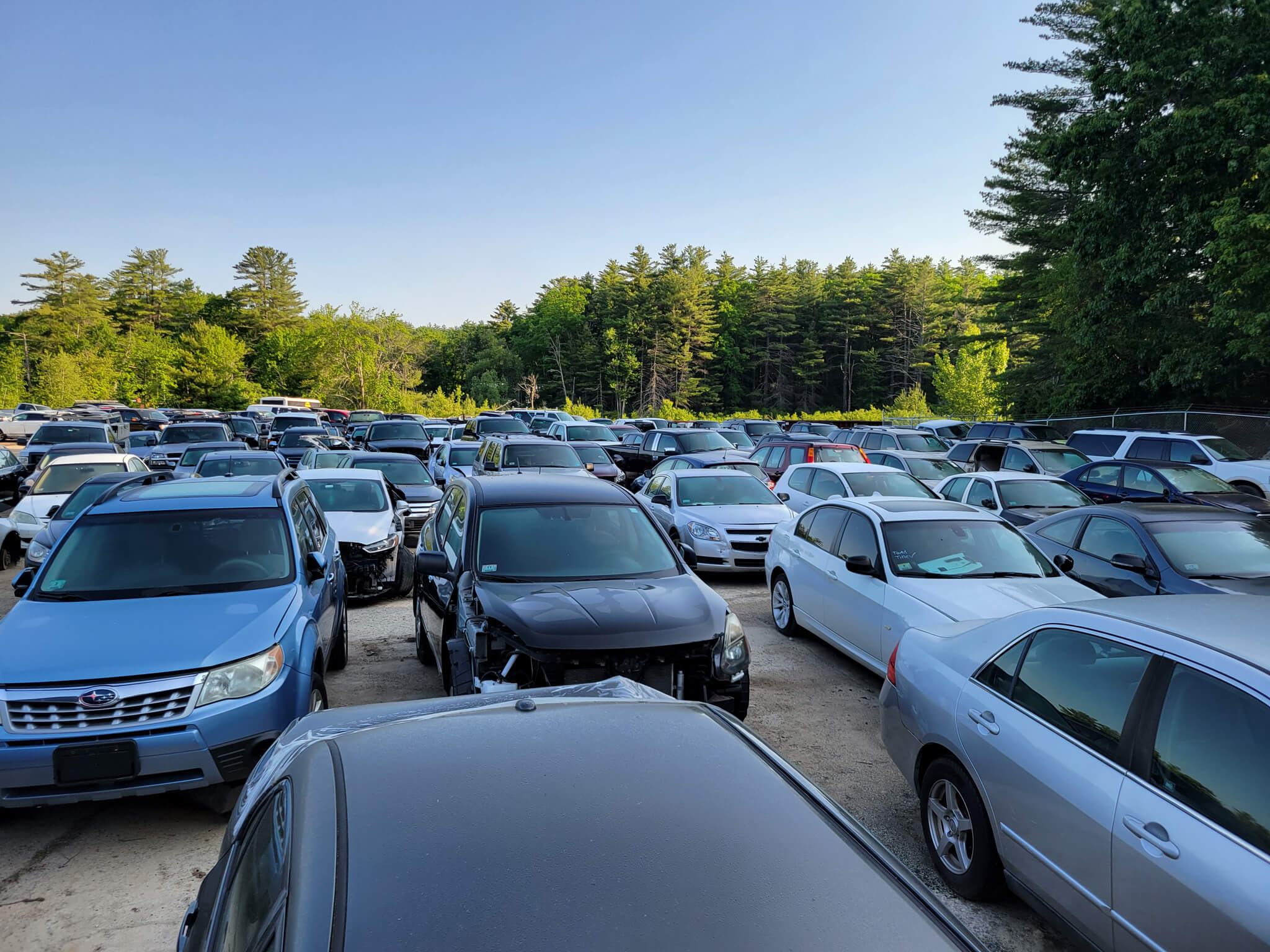
Learning the art of pulling an engine at a junkyard can save thousands of dollars while providing access to quality replacement powerplants. 603 Auto Salvage has perfected engine removal techniques over decades of operation, and our expert guidance helps customers achieve professional results with the right tools, preparation, and safety protocols.
Successful engine pulling begins long before you arrive at the salvage yard. Proper preparation determines the difference between a smooth extraction and a frustrating, potentially dangerous experience.
Before visiting 603 Auto Salvage, conduct thorough research on your target engine and donor vehicle:
Professional engine removal requires specialized tools and equipment. While 603 Auto Salvage provides some tools for customer use, bringing your own ensures efficiency and familiarity:
Essential Hand Tools:
Specialized Equipment:
| Tool Category | Essential Items | Cost Range | Rental Option | 603 Auto Availability |
|---|---|---|---|---|
| Basic Hand Tools | Socket sets, wrenches, screwdrivers | $200-$500 | Limited | Customer provided |
| Engine Hoist | 2-ton hydraulic crane | $300-$800 | Yes | Available for use |
| Load Leveler | Adjustable tilting mechanism | $100-$250 | Yes | Available for use |
| Engine Stand | Rotating mount system | $150-$400 | Limited | Customer provided |
| Safety Equipment | Gloves, glasses, boots | $50-$150 | No | Required |
Engine removal involves significant safety hazards including heavy lifting, compressed fluids, and structural instability. 603 Auto Salvage maintains strict safety standards to protect customers and staff.
All customers performing engine removal must wear appropriate PPE:
Proper vehicle preparation ensures safe working conditions throughout the removal process:
Initial Stabilization:
Fluid Management:
Professional engine removal follows a systematic approach that minimizes risks while ensuring component integrity. 603 Auto Salvage recommends this proven sequence for optimal results.
Electrical System Disconnection:
Cooling System Removal:
Fuel System Disconnection:
Removing accessories and peripheral components reduces engine weight and eliminates interference during extraction:
Engine Accessories:
Transmission Separation:
| Removal Phase | Time Estimate | Difficulty Level | Common Challenges | Professional Tips |
|---|---|---|---|---|
| Electrical Disconnect | 30-45 minutes | Intermediate | Hidden connectors | Photo documentation |
| Cooling System | 45-60 minutes | Beginner | Seized fittings | Penetrating oil |
| Fuel System | 20-30 minutes | Intermediate | Pressure release | Safety first approach |
| Accessories | 60-90 minutes | Intermediate | Access limitations | Remove in sequence |
| Transmission Separation | 45-75 minutes | Advanced | Alignment issues | Proper support critical |
| Engine Extraction | 30-60 minutes | Advanced | Clearance problems | Patience and planning |
Engine mount removal requires careful attention to load transfer and safety considerations:
Mount Identification and Access:
Lifting Point Selection:
Some engine removals present unique challenges requiring specialized techniques and additional preparation. 603 Auto Salvage technicians share professional methods for difficult extractions.
Modern compact vehicles often require engine and transmission removal as a complete assembly:
Underside Extraction Method:
Front-wheel-drive vehicles with transverse engine layouts require modified removal procedures:
Performance engines often feature non-standard components requiring special consideration:
Learning from common mistakes saves time, money, and potential injury during engine removal operations. 603 Auto Salvage shares lessons learned from decades of experience.
Inadequate Tool Preparation: Arriving without proper tools leads to frustration and incomplete removals. Always bring a comprehensive tool kit and verify equipment functionality before beginning work.
Insufficient Research: Attempting removal without understanding the specific vehicle’s configuration causes delays and potential component damage. Research removal procedures and identify unique requirements beforehand.
Poor Time Estimation: Engine removal takes longer than expected, especially for first-time attempts. Plan adequate time and avoid rushing through critical procedures.
Improper Support Methods: Inadequate vehicle support or unstable lifting arrangements create serious injury risks. Always use proper stands, blocks, and safety redundancy.
Lifting Point Errors: Attaching lifting equipment to weak points can damage engines or create lifting failures. Use manufacturer-specified lifting points and proper hardware.
Fluid Contamination: Failure to contain fluids creates environmental hazards and cleanup requirements. Prepare drainage containers and absorbent materials before beginning work.
| Common Mistake | Consequence | Prevention Method | Recovery Solution | Cost Impact |
|---|---|---|---|---|
| Wrong lifting points | Engine damage | Research specifications | Professional repair | $500-$2,000 |
| Inadequate support | Safety hazard | Proper equipment | Re-stabilize immediately | Potential injury |
| Incomplete disconnection | Component damage | Systematic checklist | Replace damaged parts | $100-$1,000 |
| Fluid spills | Environmental violation | Containment preparation | Proper cleanup/disposal | $200-$500 |
| Poor documentation | Installation problems | Photo/video recording | Research original setup | Time and frustration |
Removal provides excellent opportunities to assess engine condition and identify potential issues before installation. 603 Auto Salvage teaches customers to evaluate engines systematically.
External Assessment:
Internal Component Evaluation:
Simple tests performed during removal provide valuable engine condition information:
Compression Testing: If spark plugs are accessible, compression testing reveals cylinder condition and ring seal integrity. Consistent readings across cylinders indicate good internal condition.
Oil Pressure Assessment: Manual oil pressure testing using mechanical gauges provides accurate readings without electrical system dependencies.
Leak-Down Analysis: Cylinder leak-down testing identifies specific wear areas including rings, valves, and head gaskets.
Proper transport and storage techniques protect engine integrity and ensure successful installation. 603 Auto Salvage provides guidance for optimal engine preservation.
Securing for Transport:
Protection During Transport:
Proper storage maintains engine condition until installation:
Engine removal must comply with environmental regulations and salvage yard policies. 603 Auto Salvage maintains strict compliance standards and educates customers on requirements.
Fluid Disposal Requirements:
Refrigerant Handling: Air conditioning systems require EPA-certified technicians for refrigerant recovery. Customers cannot remove or vent refrigerants without proper certification.
603 Auto Salvage maintains specific policies for customer engine removal:
Understanding the complete cost structure of engine removal helps customers plan budgets effectively and avoid unexpected expenses.
| Cost Category | Typical Range | Variables | Money-Saving Tips | Hidden Costs |
|---|---|---|---|---|
| Engine Purchase | $1,500-$8,000 | Condition, mileage, model | Shop multiple yards | Core charges |
| Tool Rental | $50-$200/day | Equipment needed | Bring your own tools | Damage fees |
| Transportation | $200-$800 | Distance, method | Local pickup | Loading equipment |
| Fluids/Disposal | $25-$100 | Engine size, contamination | Proper containment | Environmental fees |
| Support Services | $100-$400 | Complexity, time | DIY when possible | Yard labor charges |
Experienced customers maximize value through strategic planning and efficient execution:
Successful engine installation begins during the removal process with proper documentation and component preservation.
Photographic Documentation:
Written Documentation:
Systematic organization during removal simplifies installation:
Engine removal time varies significantly based on vehicle type, experience level, and preparation. First-time removals typically require 4-6 hours, while experienced technicians can complete familiar applications in 2-3 hours. Complex installations like transverse engines or compact vehicles may require 6-8 hours or more.
Essential tools include a complete socket and wrench set, engine hoist with appropriate capacity, load leveler for balance control, and proper safety equipment. While 603 Auto Salvage provides some equipment for customer use, bringing your own tools ensures familiarity and availability when needed.
While possible, first-time engine removal requires extensive preparation, proper tools, and careful attention to safety. We recommend bringing an experienced helper or consulting with our technical staff before beginning. Consider starting with simpler applications before attempting complex removals.
Evaluate engines based on external condition, mileage, maintenance history, and known failure points. Look for signs of overheating, neglect, or accident damage. Our staff can provide guidance on specific engines and help assess condition before purchase.
Stop work immediately if you encounter unexpected problems or safety concerns. 603 Auto Salvage staff can provide technical assistance and troubleshooting guidance. Don’t force components or compromise safety to complete removal.
Avoid removing engines requiring specialized equipment, those in severely damaged vehicles, or applications involving complex modifications. High-performance engines with aftermarket components may require professional removal to preserve valuable components.
Deciding whether to remove an engine yourself or hire professionals depends on multiple factors including experience, tools, time, and complexity.
| Factor | DIY Advantage | Professional Advantage | Consideration | Recommendation |
|---|---|---|---|---|
| Cost | Lower total expense | Fixed pricing | Tool rental and time costs | Calculate total investment |
| Learning | Hands-on experience | Observation opportunity | Knowledge for future work | DIY for education |
| Time | Work at own pace | Faster completion | Schedule flexibility needed | Consider time value |
| Quality | Personal attention | Professional expertise | Risk tolerance level | Match to skill level |
| Safety | Personal control | Professional equipment | Experience with hazards | Safety first always |
Some engine removals present unique challenges requiring specialized approaches and additional consideration.
Vehicles damaged in accidents may have compromised structural integrity affecting removal safety:
Fire damage creates unique hazards and considerations:
Water damage requires careful evaluation and special handling:
603 Auto Salvage provides comprehensive support for customers pursuing engine removal projects. Our experienced team offers guidance, tools, and technical expertise to ensure successful outcomes.
Phone: (603) 392-7313
Hours: Monday-Friday 8:00 AM – 5:00 PM, Saturday 8:00 AM – 3:00 PM
Location: New Hampshire (Call for directions and appointment scheduling)
Contact 603 Auto Salvage at (603) 392-7313 to discuss your engine removal requirements. Our knowledgeable staff will help you plan the project, assess tool requirements, and provide expert guidance throughout the removal process.
Whether you’re tackling your first engine removal or adding to your experience, 603 Auto Salvage provides the parts, tools, and expertise needed for success. Trust our decades of experience to guide your next engine removal project from planning through completion.
Mastering the art of pulling engines at junkyards opens doors to significant cost savings and hands-on automotive experience. With proper preparation, appropriate tools, and careful attention to safety, customers can successfully remove quality engines for their projects.
603 Auto Salvage remains committed to supporting customer success through expert guidance, quality parts, and professional service. Our comprehensive approach ensures customers receive maximum value from their engine removal investments while maintaining the highest safety standards.
Contact us at (603) 392-7313 to begin planning your next engine removal project. Experience the difference that professional support and quality salvage parts provide for your automotive endeavors.
2004 Nissan 350Z Engine – Sports Car Performance from 603 Auto Salvage Need a **2004 Nissan 350Z engine**? 603 Auto Salvage has you covered with quality used VQ35DE V6 engines
Used 327 Engine for Sale – Classic Chevy Small Block from 603 Auto Salvage Looking for a **used 327 engine for sale**? You’ve found the right place. 603 Auto Salvage
Hernandez Auto Salvage | Professional Auto Parts & Vehicle Recycling Services Looking for reliable hernandez auto salvage services in New Hampshire? 603 Auto Salvage is your trusted partner for quality
Get a Fast Cash Offer Now!
We got your info and someone from 603 Auto Salvage will reach out shortly with your cash offer.
Get $300–$15,000 for Your |
Get your cash offer in 60 seconds
Cars like yours typically pay $300–$5,000+